
The argument in favor of using filler text goes something like this: If you use any real content in the Consulting Process anytime you reach.
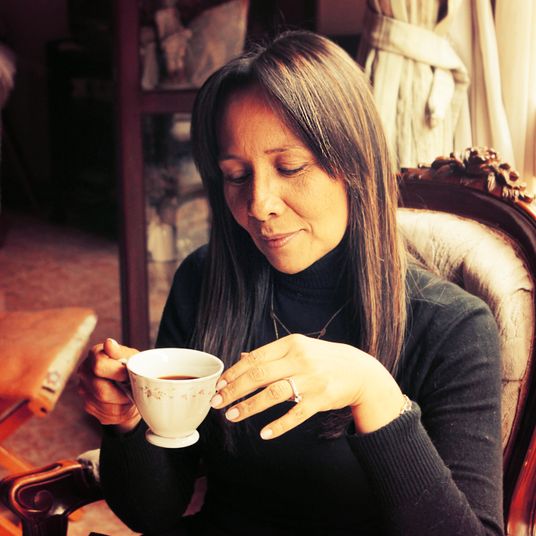
Exploring Regional Cream Tea Traditions
The Jam-and-Cream Question
Ask for a cream tea in one county and you'll be handed a scone topped with jam and a generous spoonful of clotted cream. Ask in the next county and the same order arrives, only constructed in the opposite way — and woe betide anyone who gets it wrong in front of a local. The cream tea is one of the few British foods with genuine regional loyalty attached, and the debate over whether jam or cream goes on first is a friendly, occasionally fierce, division that runs roughly along the Tamar.
What everyone agrees on is this: a cream tea is not afternoon tea. Afternoon tea is a tiered affair — finger sandwiches, cakes, pastries and scones somewhere in the middle. A cream tea is simpler and better for it: warm scones, jam, cream and a pot of tea. Everything else is decoration.
Cornwall: Jam First, Always
In Cornwall the method is settled. Split or cut your scone, spread a generous layer of jam, then crown it with clotted cream. The logic, say Cornish cooks, is that clotted cream behaves like butter — it sits on top of the jam as a rich, cool blanket rather than being smeared underneath it. Strawberry jam is the usual choice, and the cream should be thick enough to stand a spoon in.
Cornish clotted cream holds Protected Designation of Origin status, which means it must be made in Cornwall from local milk and baked slowly until a golden crust forms on the surface. If you're in a proper Cornish tea room you may be offered a Cornish split instead of a scone — a soft, sweet yeasted bun, split open and filled the same way. Order it with treacle as well as cream and jam and you have thunder and lightning, a West Country classic with a properly dramatic name.
Devon: Cream First and Proud of It
Cross into Devon and the order reverses. Here the clotted cream goes on first, spread thickly like butter, with the jam spooned over the top so it pools slightly against the cream. The reasoning is structural: cream is the base, jam the finish. Raspberry jam is the traditional partner in many Devon kitchens, though strawberry runs it close.
Devon has its own splits, too, and its own strong feelings about butter. Purists on both sides of the border tend to skip it — clotted cream is doing the same job, and butter underneath makes for a heavy mouthful. Where Devon and Cornwall do agree is on temperature: the scones should be warm, the cream cold and the tea hot.
Beyond the Two Counties
Cream teas have spread far beyond the South West, and each region has bent the format to suit itself.
- Dorset and Somerset: Closer in style to Devon, with thick cream and jam on top, often served in farmhouse tea rooms where the scones arrive still warm from the oven.
- Yorkshire and the North: Cream teas appear widely, sometimes with a local cheese or butter alongside, and frequently with a slice of fruit cake to fill the plate.
- Wales: Look for Welsh cakes or bara brith next to the scone, and butter rather than clotted cream in many rural tea rooms.
- Scotland: A cream tea may arrive with a fruit scone, jam and whipped cream, or with crowdie, a soft fresh cheese, for a distinctly northern variation.
What stays constant is the ritual: a pot of tea, something baked that morning, and a table you are not expected to leave in a hurry.
Splits, Scones and What Belongs on the Plate
If you're laying the table at home, keep the choice tight. Plain or fruit scones, both made with a light hand; strawberry or raspberry jam at room temperature, never fridge-cold; and clotted cream in a dish with its own spoon. A small pot of proper tea — a robust Assam or an English breakfast blend, brewed for three to four minutes — rounds things off.
A few practical notes. Split scones with your fingers rather than sawing at them with a knife; the crumb stays lighter. Serve jam in a small bowl so guests can help themselves and construct their scone in whichever regional style they defend. Offer butter separately and let people decide for themselves. If you're using whipped cream rather than clotted, say so before anyone asks — you will be asked anyway.
Baking Your Own: Notes from the Kitchen
Home-baked scones are worth the twenty minutes they take, and they are far more forgiving than people expect. A reliable ratio: 350g self-raising flour, a teaspoon of baking powder, a pinch of salt, then 85g of cold butter rubbed in until the mixture looks like fine breadcrumbs. Stir through two to three tablespoons of caster sugar and add around 175ml of milk to bring it together — you want a soft dough, not a sticky one.
Handle it as little as possible. Pat it out to about 3cm thick, cut with a sharp cutter dipped in flour, and press straight down without twisting, which seals the edges and stops the rise. Bake hot and fast — around 220°C conventional, 200°C fan — for ten to twelve minutes until risen and golden. Cool briefly on a rack, then serve while still warm, with the cream cold and the jam generous. Whatever order you choose, someone at the table will tell you it's wrong. That is part of the pleasure.

Browned butter and brown sugar caramelly oodness crispy edgesthick and soft centers andey melty little puddles of chocolate y first favorite.Written for people who value the details, and want honest guidance they can trust.
Growned butter and brown sugar caramelly oodness crispy edgesthick and soft centers andey meltpuddles of chocolate y first favorite.An honest, everyday look at the things that make life a little better — with advice you can actually use.
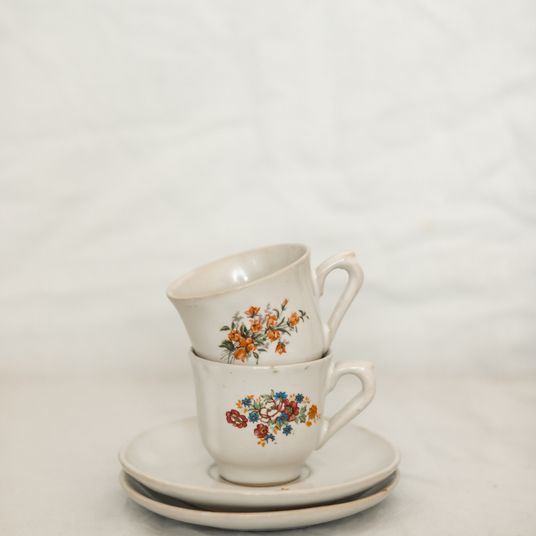
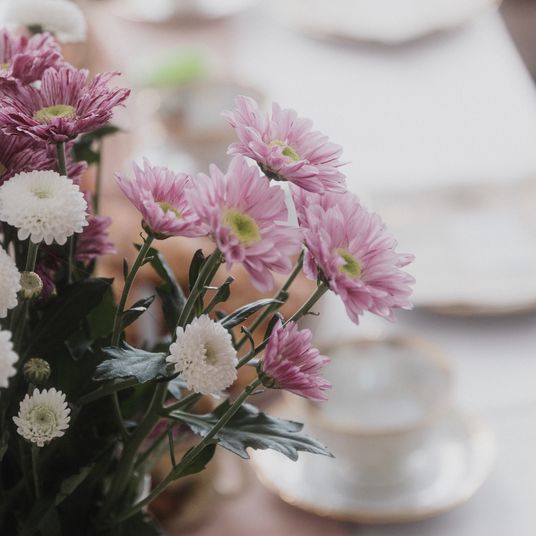
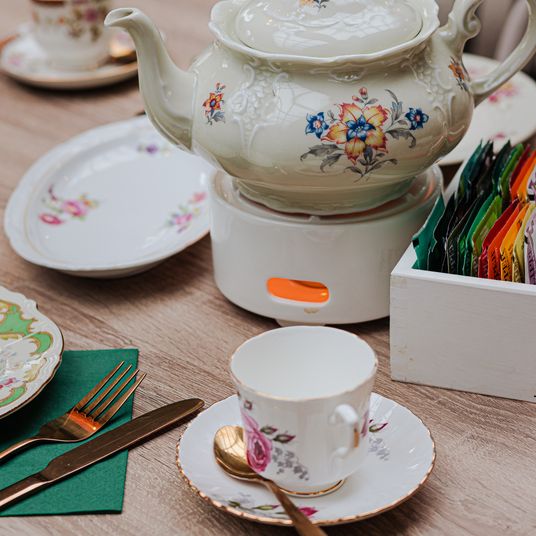
Set a welcoming tea table with pressed cloths, polished cutlery, small posies and a sensible order of plates.
Thomas A. Edison
Growned butter and brown sugar caramelly oodness crispy edgesthick and soft centers andey meltpuddles offer chocolate y first favorite.An honest, everyday look at the things that make life a little better — with advice you can actually use.e breathing, we blessed. Surround yourself with angels.

Customer Engagement Marketing New Strategy for the Economy
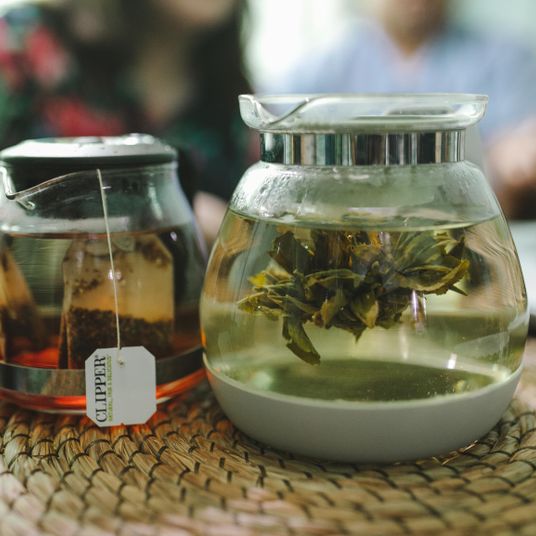
Measure loose leaves correctly, use freshly boiled water and allow the right time for a reliable English breakfast brew.
- Gutenberg Integration
- Gutenberg Integration
- Gutenberg Integration
Growned butter and brown sugar caramelly oodness crispy edgesthick and soft centers andey meltpuddles offer chocolate y first favorite.Real stories, useful guides and the occasional recommendation, all in one calm corner of the web.e breathing, we blessed. Surround yourself with angels.

Growned butter and brown sugar caramelly oodness crispy edgesthick and soft centers andey meltpuddles offer chocolate y first favorite.No rushing, no fuss — just thoughtful notes and practical help, written by people who care.e breathing, we blessed. Surround yourself with angels.

Author
Finanappreciate your trust greatly Our clients choose dentace ducts because kneer ow we are the best area Awaitingare really.

Previous Post


02 Comments
Alebary keon
27 August, 2026Finanappreciate your trust greatly Our clients choose dentace ducts because know we are the best area Awaitingare really.
Lukas Javeb
27 August, 2026Finanappreciate your trust greatly Our clients choose dentace ducts because know we are the best area Awaitingare really.