
The argument in favor of using filler text goes something like this: If you use any real content in the Consulting Process anytime you reach.
Tracing the Origins of British Afternoon Tea
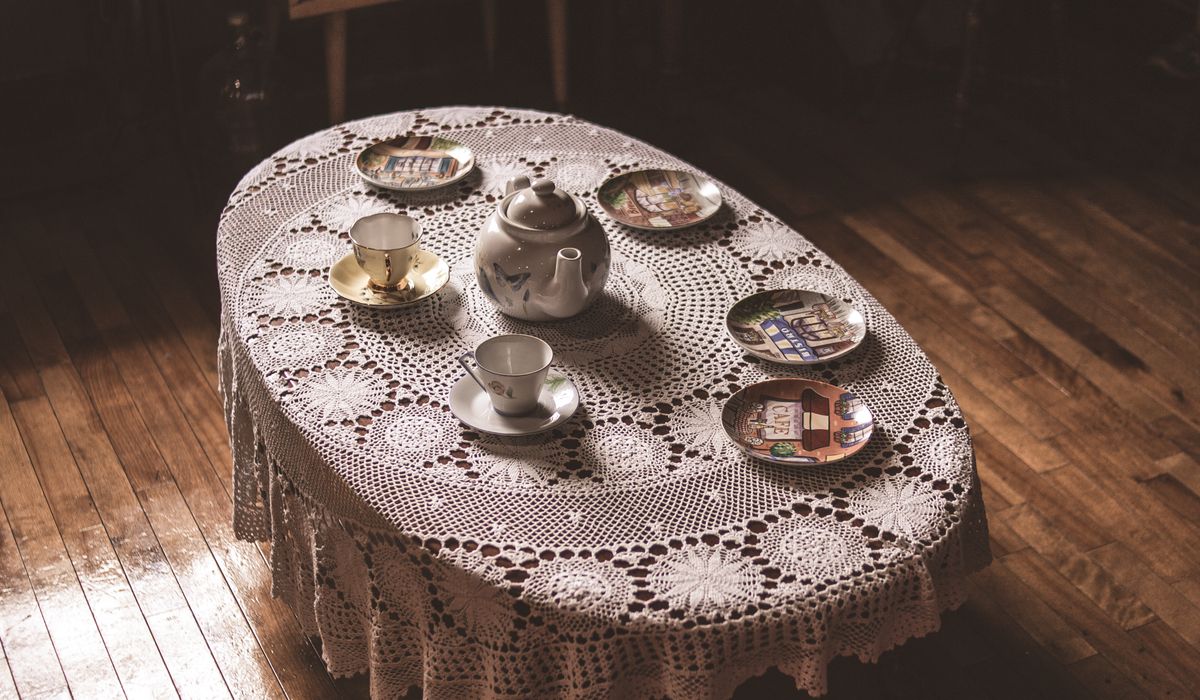
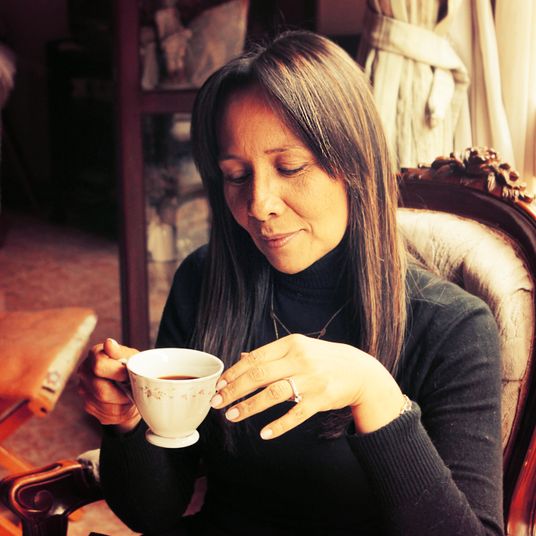
Few British rituals carry as much quiet ceremony as afternoon tea. A pot of loose-leaf tea, a tiered stand, thin sandwiches with the crusts cut off, and a scone still warm from the oven. It feels timeless, yet the whole affair is barely 180 years old, invented by a hungry duchess with an inconvenient gap in her day.
The Duchess Who Filled the Afternoon
In the 1840s, Anna Maria Russell, the seventh Duchess of Bedford, found herself peckish in the long stretch between luncheon and dinner. Fashionable London dinners were creeping later and later, often sitting down at eight or even half past eight. That left a hollow of some six hours in the middle of the day, and the Duchess wanted something to fill it.
She began asking her servants to bring tea, bread and butter and a little cake to her private sitting room around four o'clock. It was, at first, a slightly furtive habit, a private comfort rather than a public occasion. Before long she was inviting friends to join her, and the habit travelled with her on visits to country houses. By the 1860s it had climbed the social ladder and settled in as a fashionable way for women to gather, gossip and graze before dressing for the evening.
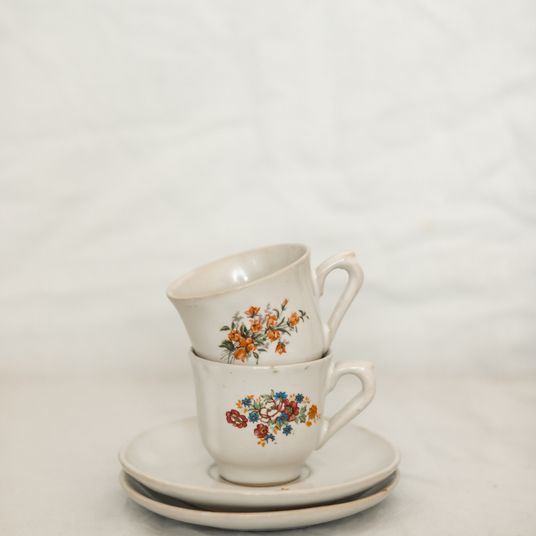
Several things made it possible. Tea itself was becoming cheaper and more reliable as trade routes expanded and faster ships brought fresher leaves from India and Ceylon. Wealthy households already had the porcelain, the silver and the staff. What they lacked was a respectable mid-afternoon occasion, and the Duchess supplied one.
From Drawing Room to High Street
For a generation, afternoon tea was an aristocratic and upper-middle-class affair, held at home and presided over by the lady of the house. What changed everything was the arrival of the tea room as a public space. From the 1870s onwards, tea shops and tea rooms began opening in towns and cities, giving women somewhere to sit, eat and meet without the awkwardness of a pub or the expense of a grand restaurant.
Two forces shaped the spread. The railways carried day-trippers to seaside resorts, cathedral towns and the edge of the countryside, where tea gardens and little tea rooms waited. Then the temperance movement offered a further push, presenting the tea room as a decent, respectable alternative to the gin palace. By the early twentieth century, no self-respecting town was complete without somewhere to take a pot of tea and a slice of cake.
Meanwhile, in the industrial north and the mill towns of Scotland, a different meal was taking shape. High tea was a working family's evening meal, eaten around five or six o'clock after the shift ended. Far from dainty, it might include cold meat, pickles, bread and butter, a boiled egg, cheese, and plenty of strong tea. It was filling because it had to be.
Afternoon Tea, High Tea and Cream Tea
The words get muddled, so it is worth being precise about what is what.
- Afternoon tea is the four o'clock affair: small sandwiches, scones, pastries and cakes, taken with tea in delicate cups. Dainty, social, and light enough not to spoil dinner.
- High tea is the heartier, earlier meal described above, closer to a working supper than a treat. Calling afternoon tea "high tea" is a common mix-up on both sides of the Atlantic.
- Cream tea is the pared-back West Country classic: a pot of tea, a scone, jam and clotted cream. On whether the jam or the cream goes on first, Devon and Cornwall have disagreed for well over a century and show no signs of stopping.
The Home Baking Heart of It
What makes British tea culture distinctive is how thoroughly it lives in the home kitchen. Long before hotels turned it into a luxury package, afternoon tea was a test of domestic skill. Scones, Victoria sponges, fruit cakes, shortbread, fairy cakes and jam tarts all belong to that quiet repertoire, and most British families have a well-thumbed recipe for at least one of them.
Home baking changed dramatically in the late nineteenth and early twentieth centuries, when reliable baking powder and better domestic ovens made light sponge and risen scones achievable in an ordinary kitchen. Rationing in the war years forced ingenuity, and the plain, thrifty bakes that survived became the backbone of the tea table. The pleasure has always been modest and specific: the crack of a scone's top, the wobble of cream, the sharpness of raspberry jam against buttery crumb.
Tea Rooms Then and Now
Today the tea room has split into several species. There are the grand hotel teas, all palm fronds and silver stands. There are the village tea rooms, often in a converted chapel or cottage, serving doorstep sandwiches and a pot of Yorkshire blend. There are the National Trust tearooms, the garden centre cafés, the farm shops with a chalkboard of cakes, and the little rooms above a bookshop that still feel like a well-kept secret.
And there are the tea shops far beyond Britain. Afternoon tea has travelled to Tokyo, Singapore, New York, Dubai and Sydney, where it is reinterpreted with matcha, mango, dumplings or macarons. The format carries across borders because it is adaptable: something warm, something sweet, something savoury, and time set aside to sit down.
Getting It Right at Home
You do not need a tiered stand or a butler. You need good tea, fresh baking and the resolve not to rush.
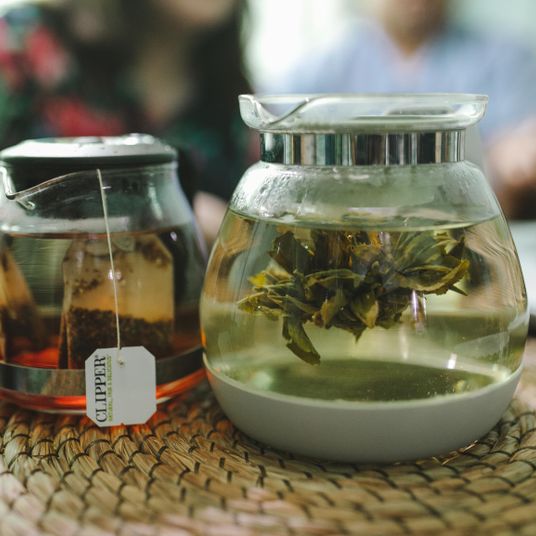
- Warm the pot with a splash of boiling water, then empty it. Use one teaspoon of loose leaves per person, plus one for the pot.
- Do not pour boiling water on delicate green or white tea. Let the kettle rest a moment. For a robust breakfast blend, straight off the boil is fine, steeped three to four minutes.
- Assemble the sandwiches last. Thinly sliced bread, lightly buttered to keep the filling from soaking through, crusts removed only if you are feeling ceremonial.
- Bake the scones the same day. About 225g self-raising flour, a teaspoon of baking powder, 50g cold butter rubbed in, 25g caster sugar, and roughly 150ml milk to bring it together. Roll to about 2cm thick, cut straight down with a floured cutter, and bake at 220°C for ten to twelve minutes until risen and golden.
- Serve in order. Savouries first, then scones while they are warm, then the sweet cakes.
Do it properly once, with a proper pot and a plate of warm scones, and the Duchess's small indulgence stops looking like history and starts looking like an excellent idea.

Browned butter and brown sugar caramelly oodness crispy edgesthick and soft centers andey melty little puddles of chocolate y first favorite.Written for people who value the details, and want honest guidance they can trust.
Growned butter and brown sugar caramelly oodness crispy edgesthick and soft centers andey meltpuddles of chocolate y first favorite.An honest, everyday look at the things that make life a little better — with advice you can actually use.
Practical tips for spotting well made vintage teapots, checking for cracks and choosing a size that suits daily brewing.
Thomas A. Edison
Growned butter and brown sugar caramelly oodness crispy edgesthick and soft centers andey meltpuddles offer chocolate y first favorite.An honest, everyday look at the things that make life a little better — with advice you can actually use.e breathing, we blessed. Surround yourself with angels.

Customer Engagement Marketing New Strategy for the Economy
Plan a thoughtful tea room trip with advice on booking, seasonal opening times, local transport and nearby walks.
- Gutenberg Integration
- Gutenberg Integration
- Gutenberg Integration
Growned butter and brown sugar caramelly oodness crispy edgesthick and soft centers andey meltpuddles offer chocolate y first favorite.Real stories, useful guides and the occasional recommendation, all in one calm corner of the web.e breathing, we blessed. Surround yourself with angels.

Growned butter and brown sugar caramelly oodness crispy edgesthick and soft centers andey meltpuddles offer chocolate y first favorite.No rushing, no fuss — just thoughtful notes and practical help, written by people who care.e breathing, we blessed. Surround yourself with angels.

Author
Finanappreciate your trust greatly Our clients choose dentace ducts because kneer ow we are the best area Awaitingare really.

Previous Post

Next Post

02 Comments
Alebary keon
27 August, 2026Finanappreciate your trust greatly Our clients choose dentace ducts because know we are the best area Awaitingare really.
Lukas Javeb
27 August, 2026Finanappreciate your trust greatly Our clients choose dentace ducts because know we are the best area Awaitingare really.