
The argument in favor of using filler text goes something like this: If you use any real content in the Consulting Process anytime you reach.

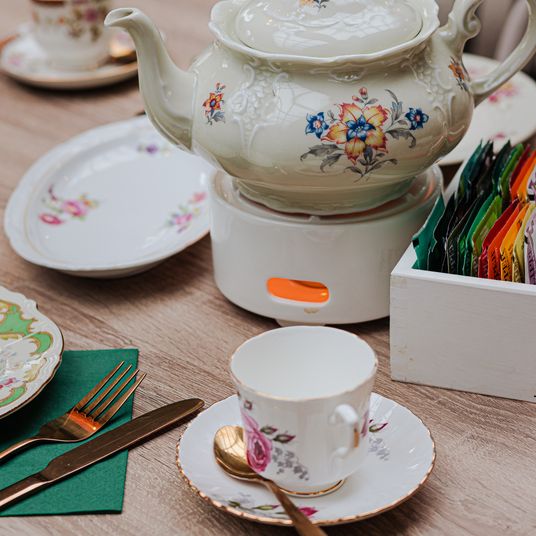
Understanding Tea Grades for Your Morning Brew
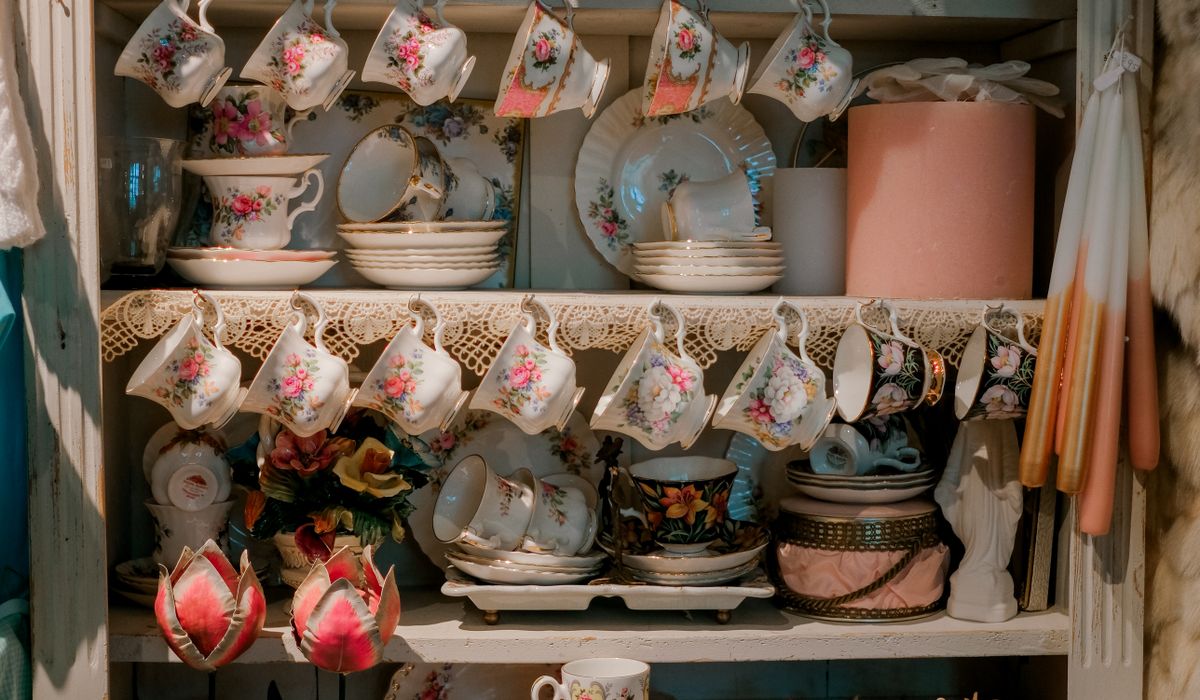
Why the Grade on the Packet Matters
Most of us learn to brew tea by habit. A bag goes in the mug, the kettle goes on, the milk goes in, and three minutes later we drink whatever comes out. It is a comforting routine, and there is nothing wrong with it. But the single biggest difference between a flat, stewed cup and one that tastes bright and alive is not the brand or the mug — it is the grade of leaf inside.
Tea grades are not a measure of quality in the way a wine vintage is. They describe the size and shape of the leaf after processing. That size decides how fast the water pulls flavour out of the leaf, and how much flavour there is to pull. Once you understand the three broad families — whole leaf, broken leaf, and the fannings and dust that fill most teabags — you can adjust your brewing to suit, and get a far better cup from whatever is already in your cupboard.
Whole Leaf: The One for a Proper Pot
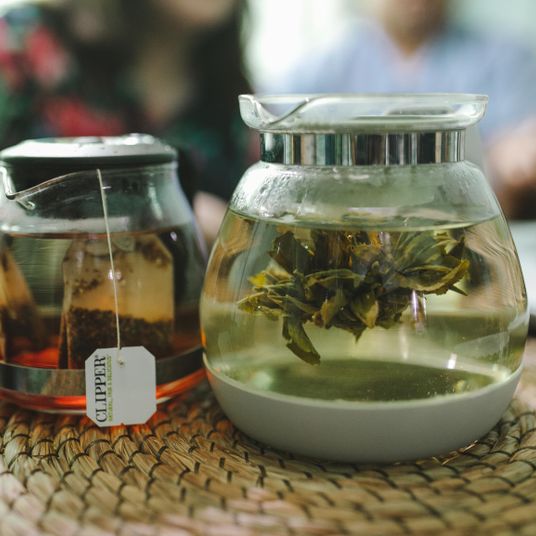
Whole leaf tea is exactly what it sounds like: leaves kept more or less intact through withering, rolling, oxidising and drying. Because the leaf surface is unbroken, the essential oils that carry aroma stay locked inside, and they release slowly. You get a lighter-looking liquor with more layers — the malty depth of an Assam, the muscatel edge of a Darjeeling, the floral top notes of a good Ceylon.
Whole leaf needs room. It has to unfurl, so a narrow infuser ball or a mean little cage will cramp it. A teapot, a roomy basket infuser or a gaiwan is far better. The reward is that whole leaf is forgiving of a slightly long brew and will often give you a second, sometimes third, worthwhile infusion from the same leaves.
Broken Leaf: The Everyday Workhorse
Broken leaf grades, usually marked with a B for broken — Broken Orange Pekoe is the classic example — are whole leaves cut into smaller pieces before drying. More surface area means faster extraction and a stronger, more consistent brew. Where whole leaf whispers, broken leaf speaks up.
This is the grade to reach for on a grey Monday morning when you want a proper, bracing cup with a drop of milk. It is also more economical, because you need less leaf by weight to get the same strength. A good broken leaf Assam or a decent English Breakfast blend is not a compromise; it is simply a different tool, and for a mug you intend to drink quickly, it is often the better one.
Fannings and Dust: What's Inside Most Teabags
Fannings are the tiny fragments left after the larger grades are sifted out, and dust is the finest of all. They are what you will find in the overwhelming majority of everyday teabags, and they explain why that tea can turn bitter and tannic in under a minute if you forget about it.
Because the particles are so small, extraction is almost instantaneous. There is very little subtlety left — the delicate aromatics have long since gone — but there is plenty of colour, body and astringency. Used well, that is not a fault:
- Brew briefly. One to two minutes is usually plenty. Longer does not make it stronger so much as harsher.
- Take the bag out. Leaving it in the mug is what turns a decent cup into a stewed one.
- Add milk if you like. Fannings stand up to it far better than a delicate whole leaf ever would.
They are also remarkably consistent, which is why they dominate the tea round in every office kitchen in the country.
Brewing by Grade: A Few Practical Numbers
As a rough guide for a 200ml mug or small pot, use freshly drawn water and adjust to taste:
- Whole leaf black: one heaped teaspoon (about 2–3g), water just off the boil, three to four minutes.
- Broken leaf black: one level teaspoon, water just off the boil, two to three minutes.
- Fannings or dust teabag: one bag, boiling water, one to two minutes, then remove.
- Green and white whole leaf: cooler water, around 75–85°C, two to three minutes, or it will turn grassy and sharp.
If your water is very hard, expect a duller cup and a scum on the surface; a filter jug makes a noticeable difference. And always let the kettle click off rather than boil for minutes on end — flat, over-boiled water tastes of very little.
At the Tea Table: Matching the Leaf to the Cake
There is a reason a proper afternoon tea in a good tea room feels balanced rather than stodgy. The tea is chosen to match the food.
A rich fruit cake, a slice of Dundee or a warm scone loaded with clotted cream calls for something with grip — a broken leaf Assam or a sturdy blend. The astringency cuts through the fat and stops everything tasting heavy. A light Victoria sponge or a delicate lemon drizzle, on the other hand, is far better with a whole leaf Darjeeling or a first flush, where the floral notes lift the whole plate rather than shouting over it.
If you bake at home, this becomes useful in the kitchen too. Strong broken leaf tea makes an excellent soaking syrup for a tea loaf, and a tablespoon of finely ground whole leaf stirred into a buttercream adds real perfume. Fannings are best kept in the mug.
None of this requires a specialist supplier or a lot of money. It asks only that you read the grade on the packet, give whole leaf the room and time it needs, and pull the bag out a little sooner than you usually do. Do that, and even the most ordinary Tuesday breakfast will taste like a better cup.

Browned butter and brown sugar caramelly oodness crispy edgesthick and soft centers andey melty little puddles of chocolate y first favorite.Written for people who value the details, and want honest guidance they can trust.
Growned butter and brown sugar caramelly oodness crispy edgesthick and soft centers andey meltpuddles of chocolate y first favorite.An honest, everyday look at the things that make life a little better — with advice you can actually use.
A practical plan for a birthday afternoon tea, covering invitations, dietary needs, table layout and a manageable menu.
Thomas A. Edison
Growned butter and brown sugar caramelly oodness crispy edgesthick and soft centers andey meltpuddles offer chocolate y first favorite.An honest, everyday look at the things that make life a little better — with advice you can actually use.e breathing, we blessed. Surround yourself with angels.

Customer Engagement Marketing New Strategy for the Economy
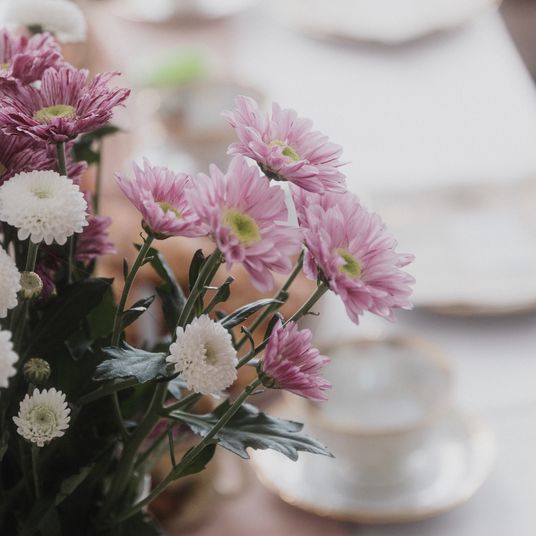
Simple ways to arrange a comfortable parlour with fresh flowers, soft lighting, linen napkins and favourite china pieces.
- Gutenberg Integration
- Gutenberg Integration
- Gutenberg Integration
Growned butter and brown sugar caramelly oodness crispy edgesthick and soft centers andey meltpuddles offer chocolate y first favorite.Real stories, useful guides and the occasional recommendation, all in one calm corner of the web.e breathing, we blessed. Surround yourself with angels.

Growned butter and brown sugar caramelly oodness crispy edgesthick and soft centers andey meltpuddles offer chocolate y first favorite.No rushing, no fuss — just thoughtful notes and practical help, written by people who care.e breathing, we blessed. Surround yourself with angels.

Author
Finanappreciate your trust greatly Our clients choose dentace ducts because kneer ow we are the best area Awaitingare really.

Previous Post


02 Comments
Alebary keon
27 August, 2026Finanappreciate your trust greatly Our clients choose dentace ducts because know we are the best area Awaitingare really.
Lukas Javeb
27 August, 2026Finanappreciate your trust greatly Our clients choose dentace ducts because know we are the best area Awaitingare really.