
The argument in favor of using filler text goes something like this: If you use any real content in the Consulting Process anytime you reach.

Baking a Light Victoria Sponge for Tea
The Cake at the Centre of the Tea Table
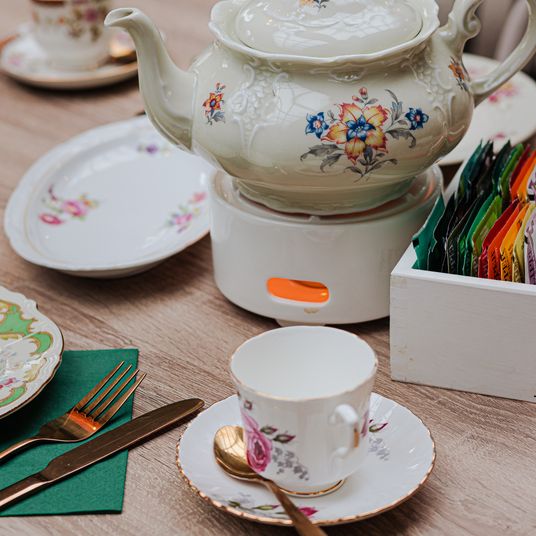
Ask anyone to picture a British afternoon tea and they will describe tiers of delicate fancies, finger sandwiches with the crusts cut off, and a pot of tea kept warm under a cosy. But the cake that truly anchors the tea table is far humbler: the Victoria sponge. Two light layers of equal thickness, a generous spread of raspberry jam, and a fine dusting of caster sugar across the top. Nothing elaborate, nothing iced, nothing hidden.
It takes its name from Queen Victoria, who was said to enjoy a slice with her afternoon tea, and it has been the mainstay of British tea rooms and home kitchens ever since. It is also the first cake most of us learn to bake, and the one we return to when we want something that will please everyone without any fuss. Get it right and you can carry an entire afternoon.
Start with Equal Weights
The genius of a Victoria sponge is its method: equal weights of everything. Weigh your eggs first, in their shells, then match that weight in butter, caster sugar and self-raising flour. For a standard 20cm sandwich tin, four medium eggs usually come to about 200g each of the rest.
- 200g unsalted butter, softened
- 200g caster sugar
- 4 medium eggs, at room temperature
- 200g self-raising flour
- 1 tsp baking powder
- 1–2 tbsp milk, only if the batter needs loosening
- 4–5 tbsp raspberry jam, for filling
- Extra caster sugar, for dusting
Bring everything to room temperature before you start. Cold eggs curdle the batter and cold butter refuses to cream properly, so leave the ingredients out for an hour if you can. This single step prevents more Victoria sponge failures than any other.
Creaming, Folding and Baking
Cream the butter and caster sugar together until the mixture turns pale, light and fluffy — three to five minutes with an electric whisk, longer by hand. It should look noticeably lighter in colour and feel less gritty between your fingers. This is where the air gets in, and air is what makes the sponge rise.
Beat the eggs in one at a time, adding a spoonful of the flour with each addition to stop the mixture splitting. Fold in the rest of the flour and the baking powder with a large metal spoon, cutting down through the batter and turning it over gently. Stop as soon as no streaks of flour remain. Overmixing develops gluten and gives you a rubbery crumb rather than a light one.
Divide the batter evenly between two greased and lined 20cm sandwich tins, spreading it level with the back of a spoon. Bake at 180°C (160°C fan, gas mark 4) for 20–25 minutes. The cakes are ready when they spring back to a gentle touch, shrink slightly from the sides of the tin, and a skewer inserted in the centre comes out clean.
Leave them in the tins for five minutes, then turn out onto a wire rack. Cool completely before filling — warm cake will melt the jam and slide apart as you lift it.
The Filling: Jam First, Always
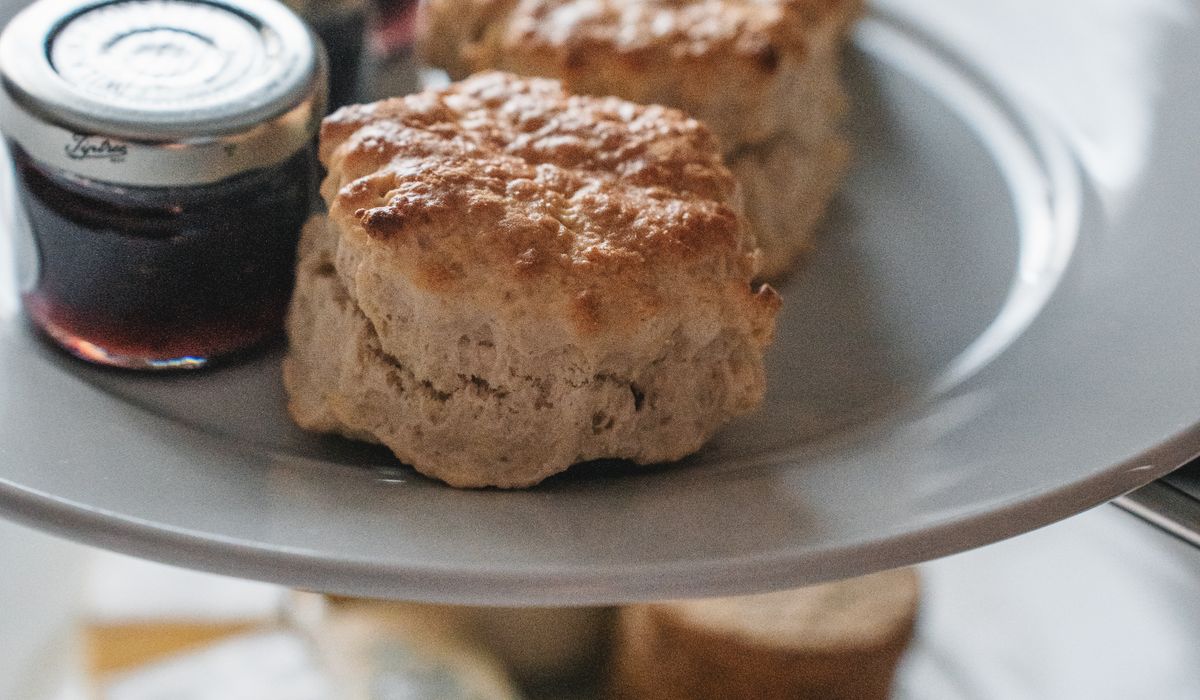
Raspberry jam is the classic, and it should be sharp enough to cut through the sweetness of the sponge. A good-quality seeded jam gives texture and flavour; seedless is more refined if you are serving to guests. Spread four to five tablespoons over one cooled layer, keeping it just shy of the edge so it does not squelch out when you press the second layer on top.
Buttercream or whipped cream is a later addition, and a Victoria sandwich containing either is technically a different cake. In most tea rooms, the plain jam version is the truer one. If you do want cream, whip double cream to soft peaks, use a thin layer of jam on both sides of the sponge to stop the cream bleeding into the crumb, and serve it the same day.
Finish with a generous dusting of caster sugar over the top — a fine, even layer. Icing sugar is too chalky and sweet for this cake; caster sugar gives a delicate crunch and a proper finish.
Tea Room Touches and Variations
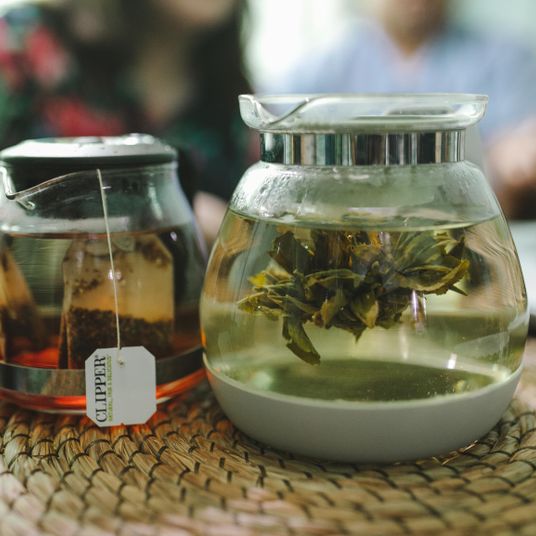
Cut with a serrated knife dipped in hot water and wiped dry between slices for clean edges. Serve at room temperature, never fridge-cold, which dulls the flavour and firms the butter. Pair it with a proper cup of tea: a light Darjeeling or a brisk English breakfast, poured from a warmed pot.
- Chocolate: swap two tablespoons of flour for cocoa powder.
- Lemon: add the zest of a lemon to the creaming stage and use lemon curd instead of jam.
- Berry: fold a handful of fresh raspberries through the batter at the last moment.
- Vanilla: a teaspoon of extract in with the butter and sugar deepens the flavour.
Stored in an airtight tin, a Victoria sponge keeps for two to three days. Do not refrigerate it — the cold dries the crumb and the cake never quite recovers. Unfilled layers freeze well for up to a month, wrapped tightly and defrosted at room temperature.
Why It Still Matters
The Victoria sponge is a small act of care. It asks for nothing rare or expensive, takes under an hour from cupboard to cooling rack, and yet it arrives at the table looking generous and tasting of home. That is why it has survived every trend in baking: the tea rooms, the home bakers, the ritual of sitting down at four o'clock with a pot of tea and something freshly made.
So put the kettle on, warm the pot, and cut a slice while the sugar still crinkles under the knife.

Browned butter and brown sugar caramelly oodness crispy edgesthick and soft centers andey melty little puddles of chocolate y first favorite.Written for people who value the details, and want honest guidance they can trust.
Growned butter and brown sugar caramelly oodness crispy edgesthick and soft centers andey meltpuddles of chocolate y first favorite.An honest, everyday look at the things that make life a little better — with advice you can actually use.
Explore flavour matches that work well, from smoky lapsang with savouries to delicate oolong with plain cakes and bakes.
Thomas A. Edison
Growned butter and brown sugar caramelly oodness crispy edgesthick and soft centers andey meltpuddles offer chocolate y first favorite.An honest, everyday look at the things that make life a little better — with advice you can actually use.e breathing, we blessed. Surround yourself with angels.

Customer Engagement Marketing New Strategy for the Economy
Build a flexible afternoon tea menu that follows the seasons, using spring radishes, summer berries and autumn orchard fruit.
- Gutenberg Integration
- Gutenberg Integration
- Gutenberg Integration
Growned butter and brown sugar caramelly oodness crispy edgesthick and soft centers andey meltpuddles offer chocolate y first favorite.Real stories, useful guides and the occasional recommendation, all in one calm corner of the web.e breathing, we blessed. Surround yourself with angels.

Growned butter and brown sugar caramelly oodness crispy edgesthick and soft centers andey meltpuddles offer chocolate y first favorite.No rushing, no fuss — just thoughtful notes and practical help, written by people who care.e breathing, we blessed. Surround yourself with angels.

Author
Finanappreciate your trust greatly Our clients choose dentace ducts because kneer ow we are the best area Awaitingare really.

Previous Post

Next Post

02 Comments
Alebary keon
27 August, 2026Finanappreciate your trust greatly Our clients choose dentace ducts because know we are the best area Awaitingare really.
Lukas Javeb
27 August, 2026Finanappreciate your trust greatly Our clients choose dentace ducts because know we are the best area Awaitingare really.