
The argument in favor of using filler text goes something like this: If you use any real content in the Consulting Process anytime you reach.

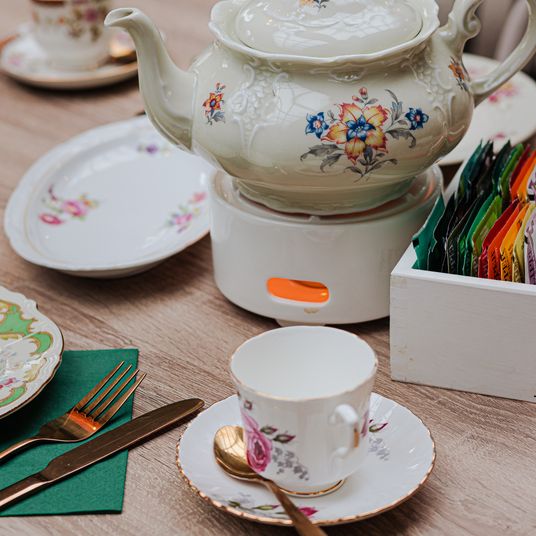
Caring for Fine China and Teacups
Why Fine China Rewards a Little Care
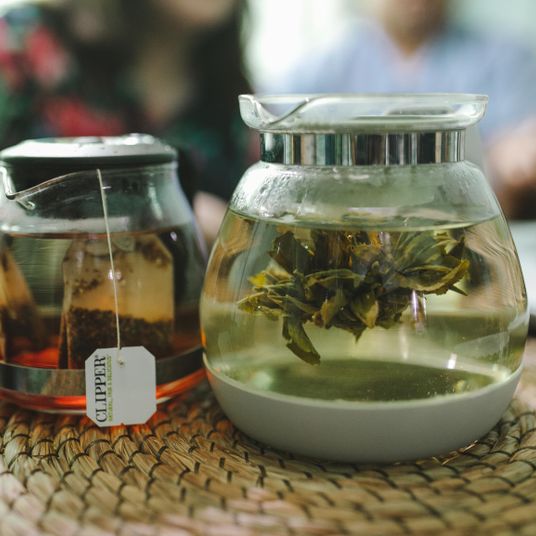
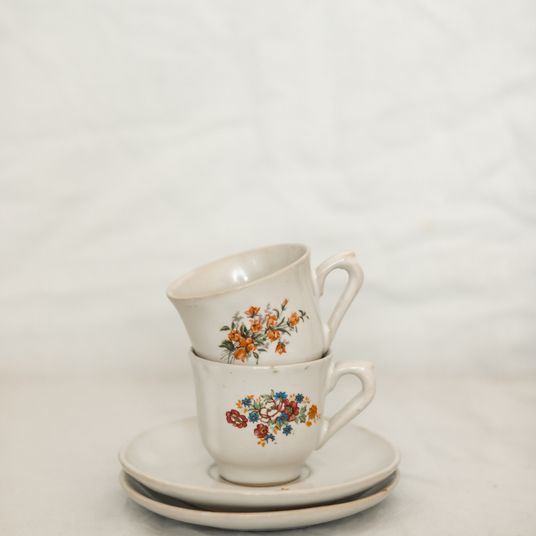
There is something quietly civilising about pouring tea from a pot into a proper cup — thin as an eggshell, warm against the palm, with a gilt rim that catches the light. Whether it is a Wedgwood inherited from a grandmother or a modest tea-room cup picked up on a weekend away, china is tougher than it looks but far more fragile than it needs to be. Most damage is not caused by dramatic accidents. It comes from hot water, harsh detergents, careless stacking and decades of slow abrasion. With a few gentle habits, a good teaset will outlive all of us.
The key to almost everything that follows is avoiding two things: sudden changes in temperature and abrasion. Bone china, porcelain and earthenware all cope beautifully with gradual warmth and gentle handling. They do not cope well with a boiling kettle poured into a cold cup, or a scouring pad.
Washing by Hand: The Golden Rules
Very few decorated teacups should go in a dishwasher. Dishwasher tablets are alkaline and abrasive, and the hot drying cycle is relentless on gilding, hand-painted flowers and delicate rims. Wash by hand, and follow these habits:
- Rinse soon after use. Tea left to dry in a cup sets tannin into the glaze and makes staining far more likely.
- Use warm, not hot, water with a small amount of mild washing-up liquid. If the cup feels cold under the tap, let the water run warm first.
- Never pour boiling water into cold china. Thermal shock is the single most common cause of hairline cracks. Let the kettle settle for a minute, or warm the cup with a splash of hot water first.
- Hold the body of the cup, not the handle. Handles are the weakest join and the first place to crack.
- Use a soft sponge or cloth and a soft brush for the inside of teapot spouts. Avoid abrasive cream cleaners and metal scouring pads entirely.
- Do not leave china soaking overnight. Prolonged immersion softens glazes over time and can lift decoration.
- Rinse in water of a similar temperature to the washing water, then drain on a folded tea towel rather than a hard surface.
Removing Tea Stains Without Damaging the Glaze
Brown staining inside a well-loved cup is not a sign of neglect — it is a sign of use. It is also easy to lift safely.
- Bicarbonate of soda paste. Mix a little bicarb with warm water, apply with a soft cloth or your fingertip, and rub gently. Rinse thoroughly afterwards.
- A warm bicarb soak. For heavier staining, fill the cup with warm water and a tablespoon of bicarbonate, leave for an hour, then wash as normal.
- Cotton buds for detail. Use them around gilded rims, moulded handles and painted patterns where a cloth cannot reach.
- Citric acid or diluted white vinegar for limescale inside teapots. Use sparingly, rinse several times, and never leave it standing on gilding.
- Avoid bleach and denture tablets on decorated pieces. They can dull gilding and leave a bloom on the glaze.
- Never use a knife or scraper to remove residue — you will score the glaze permanently.
Drying and Storing So Nothing Chips
Most chips happen in the cupboard, not at the table. A little care here saves a great deal of heartache.
- Air-dry upside down on a tea towel for an hour, then dry gilded areas with a soft cloth rather than rubbing hard.
- Line shelves with felt, cork or a non-slip mat so cups are not set directly on hard surfaces.
- Stack no more than two cups high, and place a circle of acid-free tissue or a small paper doily between each. Never stack a cup inside a teapot with the lid on.
- Store teapot lids separately, or rest them loosely at an angle so they cannot rattle.
- Wrap special pieces in acid-free tissue, not newspaper. Newsprint ink transfers onto glaze and is very difficult to remove.
- Keep china out of lofts, garages and damp outbuildings. Frost, damp and fluctuating humidity cause crazing — the fine network of cracks in an old glaze.
- Hang cup hooks through the handle only if the piece is sturdy. For antique cups, shelf storage is kinder.
Checking Your China Regularly
Once or twice a year, take each piece out and look at it properly. Hold it up to the light — hairline cracks show as a fine dark line, often running down from the rim. Run a fingertip around the rim and foot to feel for chips or roughness. Wobble the handle gently; a handle that moves has a failing join and should be repaired before it fails entirely.
Look also at the glaze for crazing and at gilding for wear. Very old china with worn or crazed glaze is best retired from hot, acidic drinks such as lemon tea and kept for display or dry use — a sensible precaution with any unmarked antique. Crazed pieces can harbour bacteria in the fine cracks, so a thorough hand-wash and dry is advisable before each use.
Use It, Don't Just Admire It
The best care for a teaset is regular, gentle use. Cups that sit untouched for years dry out and become brittle, and teapots left empty in cold cupboards can develop stale, musty interiors. Rotate your china: bring out the good cups for a Sunday afternoon, for visitors, for a homemade Victoria sponge or a plate of shortbread. Warm the pot with a little hot water before the leaf goes in, brew properly, and rinse everything promptly afterwards.
Handle it as though it matters, because it does — and then enjoy it. A cup that is used, washed kindly and stored with care will keep its lustre, its gilt and its story for another generation of afternoon teas.

Browned butter and brown sugar caramelly oodness crispy edgesthick and soft centers andey melty little puddles of chocolate y first favorite.Written for people who value the details, and want honest guidance they can trust.
Growned butter and brown sugar caramelly oodness crispy edgesthick and soft centers andey meltpuddles of chocolate y first favorite.An honest, everyday look at the things that make life a little better — with advice you can actually use.
Compare regional cream tea traditions across Cornwall, Devon and beyond, noting different serving styles and wider local customs.
Thomas A. Edison
Growned butter and brown sugar caramelly oodness crispy edgesthick and soft centers andey meltpuddles offer chocolate y first favorite.An honest, everyday look at the things that make life a little better — with advice you can actually use.e breathing, we blessed. Surround yourself with angels.

Customer Engagement Marketing New Strategy for the Economy
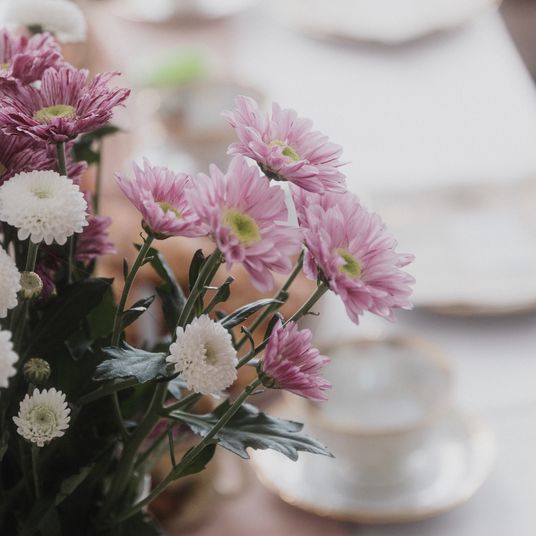
Set a welcoming tea table with pressed cloths, polished cutlery, small posies and a sensible order of plates.
- Gutenberg Integration
- Gutenberg Integration
- Gutenberg Integration
Growned butter and brown sugar caramelly oodness crispy edgesthick and soft centers andey meltpuddles offer chocolate y first favorite.Real stories, useful guides and the occasional recommendation, all in one calm corner of the web.e breathing, we blessed. Surround yourself with angels.

Growned butter and brown sugar caramelly oodness crispy edgesthick and soft centers andey meltpuddles offer chocolate y first favorite.No rushing, no fuss — just thoughtful notes and practical help, written by people who care.e breathing, we blessed. Surround yourself with angels.

Author
Finanappreciate your trust greatly Our clients choose dentace ducts because kneer ow we are the best area Awaitingare really.

Previous Post

Next Post

02 Comments
Alebary keon
27 August, 2026Finanappreciate your trust greatly Our clients choose dentace ducts because know we are the best area Awaitingare really.
Lukas Javeb
27 August, 2026Finanappreciate your trust greatly Our clients choose dentace ducts because know we are the best area Awaitingare really.