
The argument in favor of using filler text goes something like this: If you use any real content in the Consulting Process anytime you reach.
Selecting Vintage Teapots for Everyday Use
Why a Vintage Teapot Earns Its Place on the Table
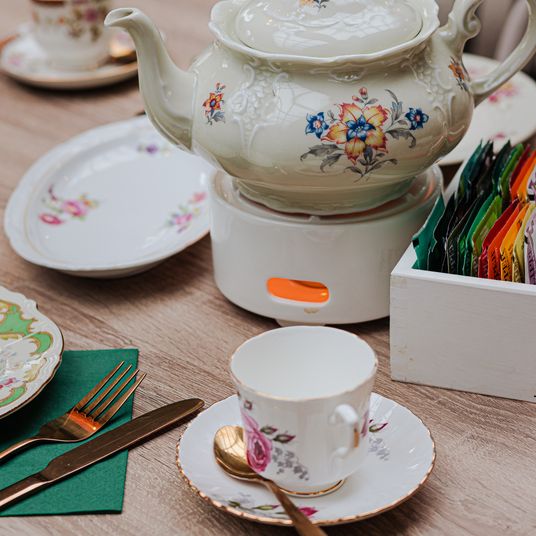
There is something quietly satisfying about pouring a cup of tea from a pot that has already lived a life. A vintage teapot carries a bit of history with it, and unlike the fragile display pieces you might see behind glass in a museum case, a well-chosen old pot is perfectly capable of being pressed into daily service. In fact, that is exactly what it was made for. Before the age of the electric kettle and the teabag, a teapot was a workhorse, used several times a day.
The trick is knowing which pots will stand up to the rigours of a morning cuppa and which are best left on the dresser. With a little patience and a keen eye, you can find a vintage teapot that brews beautifully for years. Here is how to go about it.
Look for Solid, Honest Construction
Quality is rarely about brand names when you are rummaging through a charity shop or a car boot sale. It is about the physical characteristics of the pot in your hands. Pick it up. Turn it over. Give it a gentle tap.
- Weight and balance: A good pot feels reassuringly substantial in the hand without being clumsy. It should sit level on a flat surface and not tip forward when full. Test this by filling it with water at home before you commit to using it.
- A well-fitted lid: The lid should drop into place without rattling and should not wobble when you pour. A loose lid means heat escapes and tea drips down the side of the pot. Many old pots have a small notch that locks the lid in place when the handle faces you as you pour.
- A comfortable handle: This matters more than people expect. The handle should be large enough to grip with two or three fingers and far enough from the body that your knuckles do not brush the hot side. Insulated handles on older pots, often made of wood or wrapped cane, are a blessing.
- A clean, sharp spout: The spout should be free of chips along the rim and should not dip below the level of the base. A spout that sits too low will dribble as soon as the pot is filled.
Bone china tends to be lighter and more delicate, while stoneware and earthenware hold heat for longer. For everyday use, a sturdy stoneware pot is often the most practical choice, particularly if you take your time over a large pot of Assam.
Checking for Cracks, Chips and Hidden Flaws
This is where a little diligence saves a great deal of disappointment. Cracks in a teapot are not merely cosmetic; they weaken the pot and, in time, they will leak. Run your fingertip slowly around the entire rim, inside and out. Do the same around the base and along the length of the spout.
Then hold the pot up to a strong light, ideally near a window. Hairline cracks that are invisible in ordinary lamplight will often show up when light passes through the body of the pot. Pay particular attention to the point where the handle joins the body and where the spout meets the side, as these are the stress points where cracks begin.
Interior staining is not usually a problem, but a strong smell of old tea, damp or mustiness is. Fill the pot with hot water and a spoonful of bicarbonate of soda, leave it overnight, then rinse thoroughly. If the smell persists, the pot has probably absorbed something unpleasant and is best avoided.
Finally, check that the pot does not leak at the base of the spout. Fill it with water and leave it standing on a dry surface for half an hour. Any ring of moisture underneath means trouble.
Choosing a Size That Suits Your Daily Brew
It is tempting to buy the prettiest pot rather than the most useful one, but size really does matter. A pot that is too large for your needs means lukewarm tea and wasted leaves. A pot that is too small means brewing twice.
- Two cups (around 500–600ml): Ideal for one person having a proper sit-down, or two people sharing a modest cup each. This is the size most vintage pots come in, which is handy.
- Four cups (around 900ml–1 litre): The classic family pot. Good for two or three people, or one person who likes a top-up without getting up.
- Six cups and above: Best kept for gatherings. Unless you regularly have a crowd around the table, a large pot will simply go cold before you reach the bottom.
Bear in mind that vintage pots were sized for smaller cups than many of us use today. A pot marked "four cup" might yield closer to two and a half of your modern mugs. If in doubt, measure the interior with water and judge for yourself.
Matching the Pot to Your Tea
A little thought about what you actually drink will guide you well. If you favour delicate leaves such as Darjeeling or a light oolong, a smaller porcelain pot allows you to control the brew closely. For robust everyday blends, a larger stoneware pot retains heat and keeps the second cup as hot as the first.
Whatever you choose, remember that a teapot should be warmed before use. Swirl a little hot water around it, tip it out, then add your leaves and freshly boiled water. This small habit makes a genuine difference to the quality of the brew and is kind to the pot as well.
Living With an Old Pot
Vintage teapots are not ornaments. They are tools, and they reward being used. Wash them by hand in warm, soapy water, avoiding sudden changes in temperature that can cause old glaze to craze. Never put a vintage pot in a dishwasher, and do not leave tea stewing in it overnight.
Used gently and often, a good vintage teapot will outlast most things in your kitchen. Choose one with sound construction, check it carefully for cracks, and pick a size that matches the way you actually drink tea. Do that, and you will have found a companion for countless quiet afternoons.

Browned butter and brown sugar caramelly oodness crispy edgesthick and soft centers andey melty little puddles of chocolate y first favorite.Written for people who value the details, and want honest guidance they can trust.
Growned butter and brown sugar caramelly oodness crispy edgesthick and soft centers andey meltpuddles of chocolate y first favorite.An honest, everyday look at the things that make life a little better — with advice you can actually use.
Plan a thoughtful tea room trip with advice on booking, seasonal opening times, local transport and nearby walks.
Thomas A. Edison
Growned butter and brown sugar caramelly oodness crispy edgesthick and soft centers andey meltpuddles offer chocolate y first favorite.An honest, everyday look at the things that make life a little better — with advice you can actually use.e breathing, we blessed. Surround yourself with angels.

Customer Engagement Marketing New Strategy for the Economy
Create neat cucumber sandwiches with soft buttered bread, thin slices and a light sprinkle of salt and pepper.
- Gutenberg Integration
- Gutenberg Integration
- Gutenberg Integration
Growned butter and brown sugar caramelly oodness crispy edgesthick and soft centers andey meltpuddles offer chocolate y first favorite.Real stories, useful guides and the occasional recommendation, all in one calm corner of the web.e breathing, we blessed. Surround yourself with angels.

Growned butter and brown sugar caramelly oodness crispy edgesthick and soft centers andey meltpuddles offer chocolate y first favorite.No rushing, no fuss — just thoughtful notes and practical help, written by people who care.e breathing, we blessed. Surround yourself with angels.

Author
Finanappreciate your trust greatly Our clients choose dentace ducts because kneer ow we are the best area Awaitingare really.

Previous Post


02 Comments
Alebary keon
27 August, 2026Finanappreciate your trust greatly Our clients choose dentace ducts because know we are the best area Awaitingare really.
Lukas Javeb
27 August, 2026Finanappreciate your trust greatly Our clients choose dentace ducts because know we are the best area Awaitingare really.