
The argument in favor of using filler text goes something like this: If you use any real content in the Consulting Process anytime you reach.
Brewing the Perfect Pot of English Breakfast Tea
Why English Breakfast Tea Deserves a Little Ceremony
Afternoon tea is often associated with delicate Earl Grey or floral blends, but the sturdy, malty cup of English Breakfast is the true workhorse of the British tea table. Whether you are settling into a chintz-covered tea room or pulling up a kitchen chair beside a plate of warm scones, the pleasure depends on a reliable brew. The good news is that a perfect pot is not a matter of luck. It comes down to three things: measuring the leaves properly, using water at the right moment, and giving the tea enough time to open up.
Choosing and Measuring Your Leaves
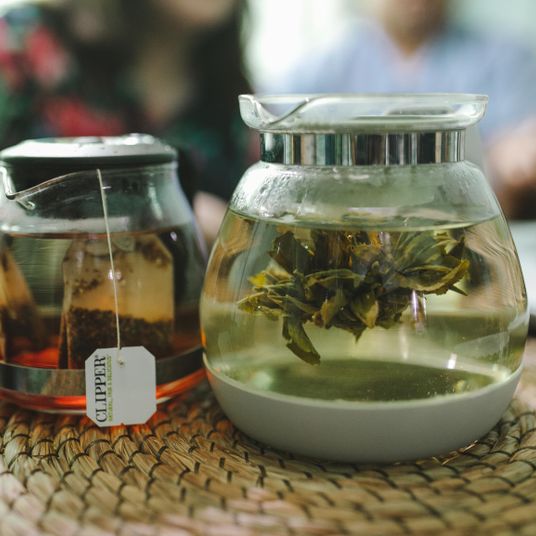
English Breakfast is usually a blend of Assam, Ceylon and Kenyan black teas, designed to be brisk, malty and strong enough to take milk. Loose leaves give a rounder flavour than most bags, and they are worth the small extra fuss. As a rule, allow one heaped teaspoon per person, plus one extra spoonful for the pot. If you prefer to weigh, use about 2g of loose tea per 200ml of water. A standard four-cup pot therefore needs roughly 8g, or four to five teaspoons.
Keep the leaves in an airtight tin away from light, heat and strong spices. Buy little and often if you can; black tea is not a wine, and it does not improve with age. If you are using bags, choose a brand that fills them with broken leaf rather than dust, and use one bag per cup plus one for the pot as well.
The Water Makes the Brew
Water is the larger part of every cup, so treat it with respect. Fill the kettle with freshly drawn water rather than reboiling what has been sitting in it overnight. Reboiled water tastes flat because it has lost oxygen, and that dullness carries straight into the tea.
English Breakfast needs water that is freshly boiled and still close to 100°C. Take the kettle off the boil and pour almost at once. While the kettle is doing its work, warm the teapot with a little hot water, swirl it, and tip it away. A cold pot drops the brewing temperature and can leave you with a thin, disappointing cup. If you use a tea cosy, have it ready; a pot of English Breakfast stays enjoyable for about twenty minutes under a cosy, but it will stew if left on a hot plate.
- Use fresh water: draw it just before boiling.
- Do not overboil: a long rolling boil drives off oxygen.
- Warm the pot: hot water first, then the leaves.
- Pour with purpose: cover the leaves completely and stir once.
Timing, Milk and the Perfect Cup
Now for the part that separates a good cup from a great one. Pour the water over the leaves, replace the lid, and leave the tea to brew for three to five minutes. Three minutes gives a bright, lighter cup; four is the sweet spot for most blends; five is for those who like it robust and can take plenty of milk. Taste at three minutes rather than trusting the clock alone. Once the brew is right, remove the leaves or pour the tea through a strainer into cups. Leaving leaves sitting in the pot means the next cup will be bitter and tannic.
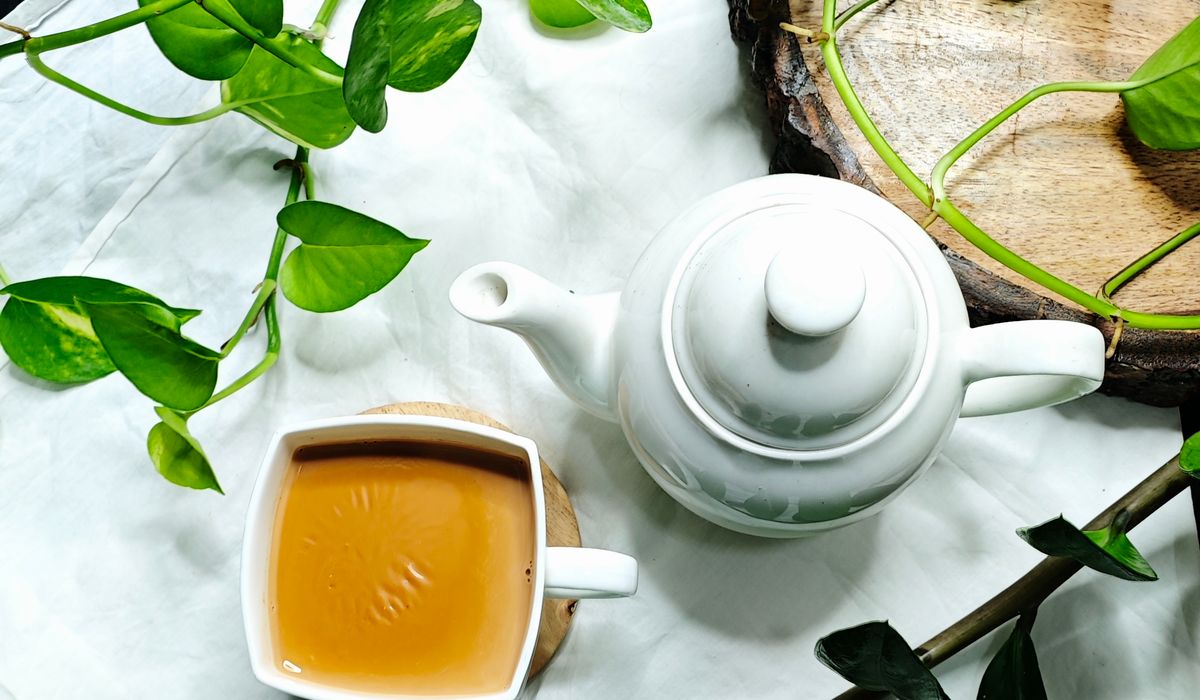
Milk is a matter of taste and tradition. The old custom of putting milk in first was designed to protect delicate bone china from cracking, and it also helped poorer households stretch a weaker brew. Today, most people add milk after pouring so they can judge the colour. For English Breakfast, a modest splash is usually enough: the tea should turn a rich, warm copper, not a pale beige. Sugar, if you take it, is best added while the tea is hot so it dissolves properly. A slice of lemon is not traditional here; save that for lighter teas.
From Tea Room to Kitchen Table: Serving with Home Baking
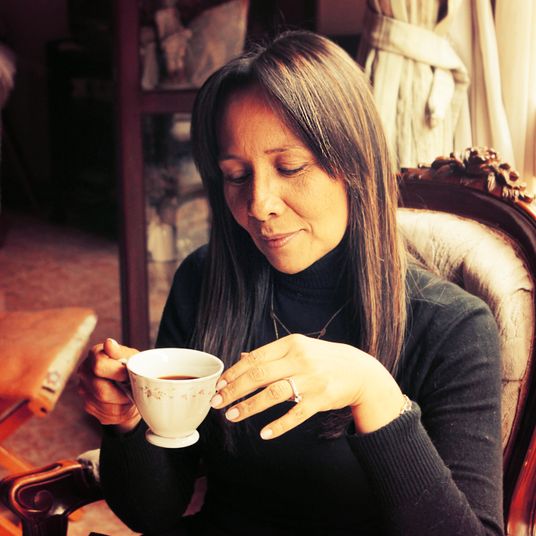
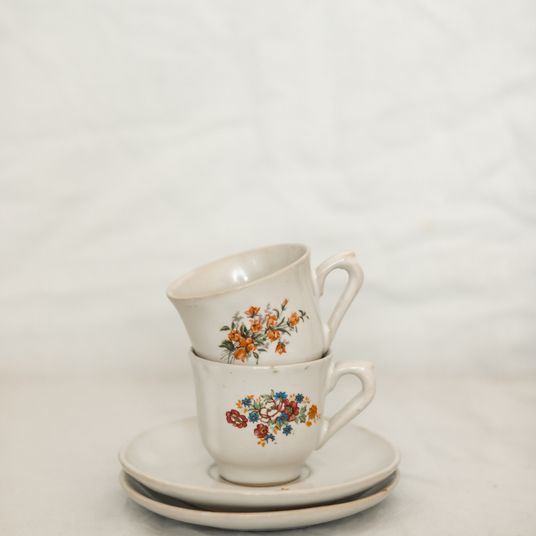
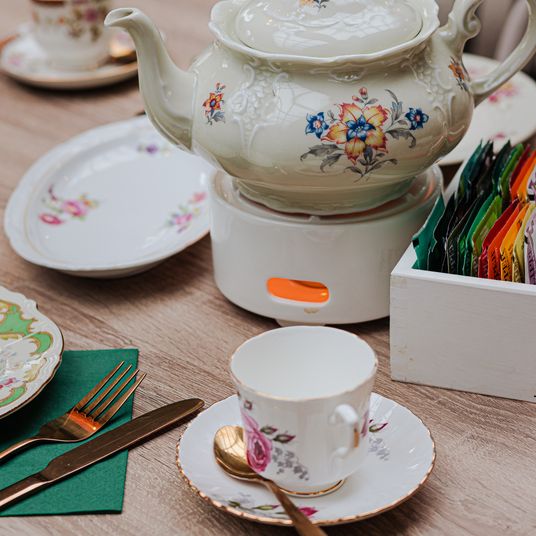
A pot of English Breakfast is at its best when it is shared. In a proper tea room, the ritual is gentle: a warmed pot, a strainer, a small jug of milk, and perhaps a tea cosy patterned with roses. At home, you can recreate that feeling with far less fuss. Clear the table, put out proper cups if you have them, and make a pot rather than brewing cup by cup.
Home baking is the natural partner. English Breakfast cuts through the richness of butter and cream, so it is the right tea for warm scones with jam and clotted cream, a slice of Victoria sponge, shortbread, or a dark fruit cake. If you are baking for afternoon tea, keep the flavours simple and generous. A batch of cheese scones works just as well for a savoury break, and a plain digestive or a piece of flapjack is never unwelcome. The point is not perfection; it is the pause.
A Few Quiet Rules Worth Keeping
None of this is complicated, but small habits make a real difference. Measure the leaves, use fresh water, warm the pot, and time the brew. If you take milk, add it after pouring and stop when the colour looks right. Drink the tea while it is hot, and make a fresh pot rather than trying to revive a stewed one. Whether you are in a seaside tea room or at your own kitchen table, a well-brewed pot of English Breakfast turns a simple moment into something properly restorative.

Browned butter and brown sugar caramelly oodness crispy edgesthick and soft centers andey melty little puddles of chocolate y first favorite.Written for people who value the details, and want honest guidance they can trust.
Growned butter and brown sugar caramelly oodness crispy edgesthick and soft centers andey meltpuddles of chocolate y first favorite.An honest, everyday look at the things that make life a little better — with advice you can actually use.
Make a bright homemade lemon curd with eggs, butter, sugar and lemon juice, perfect for scones and toast.
Thomas A. Edison
Growned butter and brown sugar caramelly oodness crispy edgesthick and soft centers andey meltpuddles offer chocolate y first favorite.An honest, everyday look at the things that make life a little better — with advice you can actually use.e breathing, we blessed. Surround yourself with angels.

Customer Engagement Marketing New Strategy for the Economy
Find peaceful tea rooms in market towns and villages, with advice on quiet hours, parking and nearby attractions.
- Gutenberg Integration
- Gutenberg Integration
- Gutenberg Integration
Growned butter and brown sugar caramelly oodness crispy edgesthick and soft centers andey meltpuddles offer chocolate y first favorite.Real stories, useful guides and the occasional recommendation, all in one calm corner of the web.e breathing, we blessed. Surround yourself with angels.

Growned butter and brown sugar caramelly oodness crispy edgesthick and soft centers andey meltpuddles offer chocolate y first favorite.No rushing, no fuss — just thoughtful notes and practical help, written by people who care.e breathing, we blessed. Surround yourself with angels.

Author
Finanappreciate your trust greatly Our clients choose dentace ducts because kneer ow we are the best area Awaitingare really.

Previous Post


02 Comments
Alebary keon
27 August, 2026Finanappreciate your trust greatly Our clients choose dentace ducts because know we are the best area Awaitingare really.
Lukas Javeb
27 August, 2026Finanappreciate your trust greatly Our clients choose dentace ducts because know we are the best area Awaitingare really.