
The argument in favor of using filler text goes something like this: If you use any real content in the Consulting Process anytime you reach.
A Beginner's Guide to Loose Leaf Tea
Why Loose Leaf Is Worth the Extra Faff
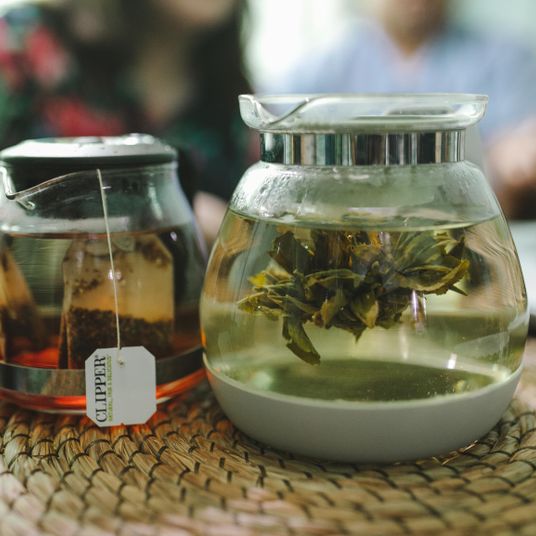
If you have only ever brewed tea from a bag, loose leaf can look like a hobby for people with too much shelf space. It is not. The difference is simple mechanics: whole leaves need room to unfurl, and a bag — however good — keeps them cramped and crushed. Give leaves space in water and they release layers of flavour that dust simply cannot.
There is a practical bonus, too. Good loose leaf is often cheaper per cup than premium bags, because you are paying for leaf rather than packaging, string and staple. A 100g pouch of a decent single-origin black will give you forty or fifty mugs if you measure sensibly. Add a small teapot, a strainer and a caddy, and you have a kit that lasts for years.
And then there is the ritual — the small, deliberate pause of spooning leaves into a pot while the kettle comes to the right temperature. In a British afternoon, that pause is half the pleasure.
Getting to Know the Main Families
All true tea comes from the same plant, Camellia sinensis; what changes is how the leaves are processed. Knowing the four main families will tell you almost everything about how to brew them.
- Black: Fully oxidised, robust and malty. Assam is bold and takes milk well; Ceylon is brisk and citrusy; Darjeeling is lighter, floral and best without milk.
- Green: Unoxidised, fresh and grassy. Think steamed spring vegetables rather than lawn clippings, if it is good.
- White: Barely processed, made from young buds and leaves. Delicate, honeyed and easily overwhelmed by hot water.
- Oolong: Partially oxidised, sitting between green and black. Ranges from buttery and floral to roasted and toasty, and often gives three or four good infusions from one spoonful.
Start with one tea from each family and brew them side by side. It is the quickest way to learn what you actually like, rather than what you think you ought to like.
Buying and Storing It Properly
Buy little and often. Tea is not wine; it does not improve with age. Look for leaves that are roughly even in size and plump rather than dusty, and smell the pouch if you can — fresh tea smells vivid, not like hay or old biscuits. A specialist tea room or a good market stall will usually let you buy 50g at a time, which is plenty.
At home, the enemies are light, heat, moisture and other smells. So:
- Keep tea in an airtight, opaque tin — a proper caddy, not a glass jar on a sunny windowsill.
- Store it somewhere cool and dry, well away from spices, coffee and the oven.
- Do not refrigerate it. Condensation will ruin the leaf faster than room temperature ever would.
- Drink green and white teas within six to eight months; black and oolong will happily keep for a year or two.
- Keep one tin per tea. A smoky lapsang will happily scent everything it lives beside.
Brewing Without the Guesswork
Three variables matter: water temperature, leaf quantity and time. Get those roughly right and you will beat most cafés at home.
- Water: Use freshly drawn water and stop the kettle before a rolling boil for delicate teas. Water that has been boiled repeatedly tastes flat. In hard water areas, a simple filter makes a noticeable difference.
- Quantity: About one rounded teaspoon (2–3g) per 200ml, or one mug. White and oolong leaves are bulky, so weigh them if you can — a small kitchen scale is the single best upgrade to your tea-making.
- Temperature and time: White 75–85°C for 2–4 minutes; green 70–80°C for 1–3 minutes; oolong 85–95°C for 2–4 minutes; black 95–100°C for 3–5 minutes.
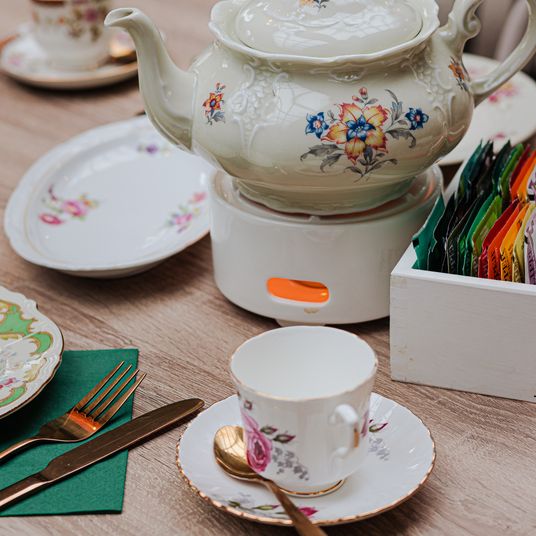
- Vessel: Warm the pot with a splash of hot water first, then tip it away. A basket infuser or a simple strainer over the cup works beautifully.
Five Mistakes Worth Avoiding
- Pouring boiling water straight onto green or white tea, which turns it bitter and cabbagey.
- Leaving the leaves in the cup for ten minutes and then blaming the tea.
- Adding milk by default. It suits a strong Assam or a breakfast blend; it flattens Darjeeling, oolong and anything green.
- Buying 500g of something you have never tasted.
- Storing tea in the paper bag it came in. It will be stale within a fortnight.
Tea, Cake and the British Afternoon
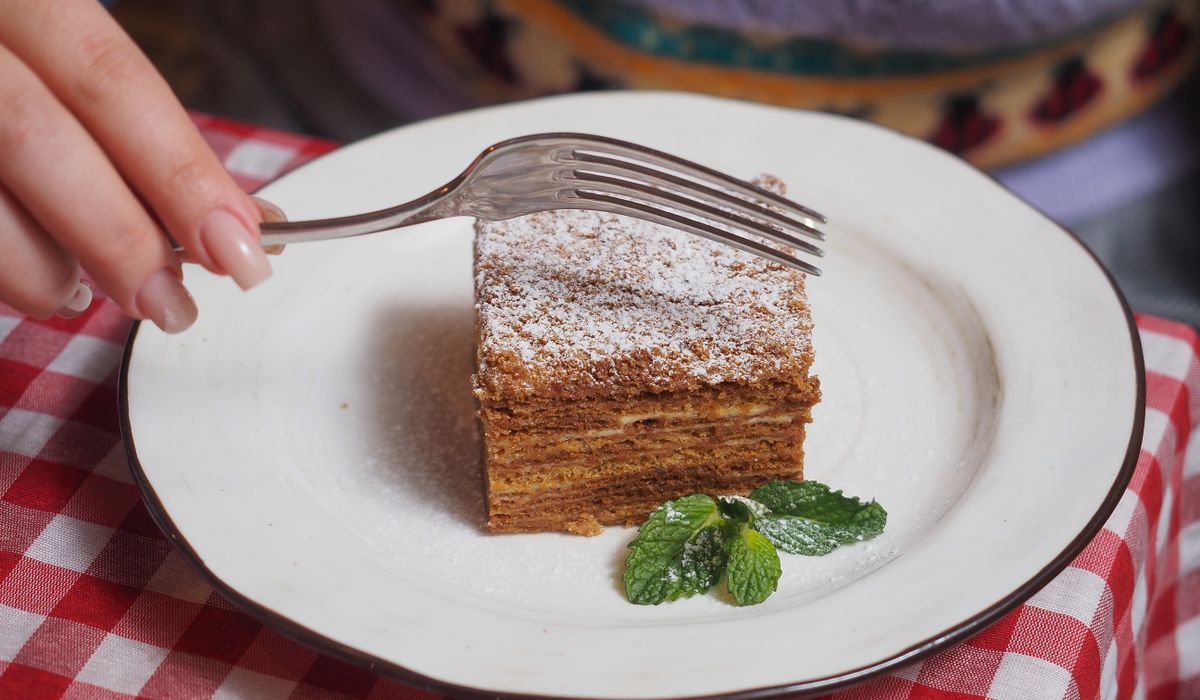
Afternoon tea is a balancing act, and the tea should never bully the cake. A light, floral oolong or a first-flush Darjeeling sits happily beside finger sandwiches and a delicate lemon drizzle. A brisk Assam or an English breakfast blend is the traditional partner for scones with clotted cream and jam, because the tannin cuts through the richness. A white tea is lovely with plain shortbread or madeleines, where there is nothing much to compete with. For a dark, sticky fruit cake, reach for something roasted and robust.
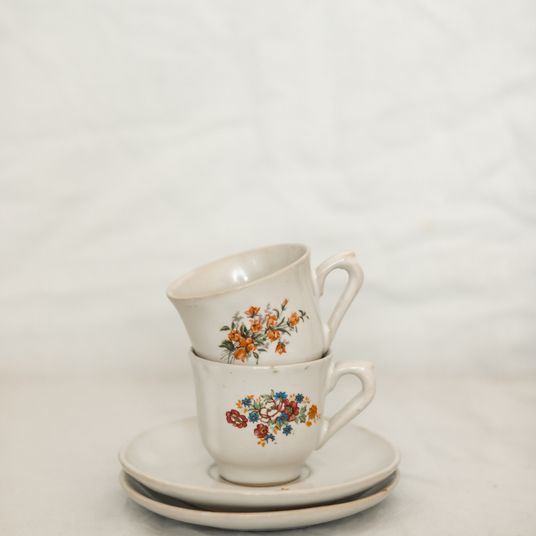
Brew it in a pot, set out proper cups, and take twenty minutes over it. That, more than any particular leaf, is what makes an afternoon tea at home feel like an occasion.

Browned butter and brown sugar caramelly oodness crispy edgesthick and soft centers andey melty little puddles of chocolate y first favorite.Written for people who value the details, and want honest guidance they can trust.
Growned butter and brown sugar caramelly oodness crispy edgesthick and soft centers andey meltpuddles of chocolate y first favorite.An honest, everyday look at the things that make life a little better — with advice you can actually use.
Gather family cake recipes and tea time treats, writing useful notes on measurements, baking times and serving suggestions.
Thomas A. Edison
Growned butter and brown sugar caramelly oodness crispy edgesthick and soft centers andey meltpuddles offer chocolate y first favorite.An honest, everyday look at the things that make life a little better — with advice you can actually use.e breathing, we blessed. Surround yourself with angels.

Customer Engagement Marketing New Strategy for the Economy
Learn how to layer sandwiches, scones and sweet treats for a relaxed afternoon tea that feels both generous and beautifully simple.
- Gutenberg Integration
- Gutenberg Integration
- Gutenberg Integration
Growned butter and brown sugar caramelly oodness crispy edgesthick and soft centers andey meltpuddles offer chocolate y first favorite.Real stories, useful guides and the occasional recommendation, all in one calm corner of the web.e breathing, we blessed. Surround yourself with angels.

Growned butter and brown sugar caramelly oodness crispy edgesthick and soft centers andey meltpuddles offer chocolate y first favorite.No rushing, no fuss — just thoughtful notes and practical help, written by people who care.e breathing, we blessed. Surround yourself with angels.

Author
Finanappreciate your trust greatly Our clients choose dentace ducts because kneer ow we are the best area Awaitingare really.

Previous Post


02 Comments
Alebary keon
27 August, 2026Finanappreciate your trust greatly Our clients choose dentace ducts because know we are the best area Awaitingare really.
Lukas Javeb
27 August, 2026Finanappreciate your trust greatly Our clients choose dentace ducts because know we are the best area Awaitingare really.