
The argument in favor of using filler text goes something like this: If you use any real content in the Consulting Process anytime you reach.
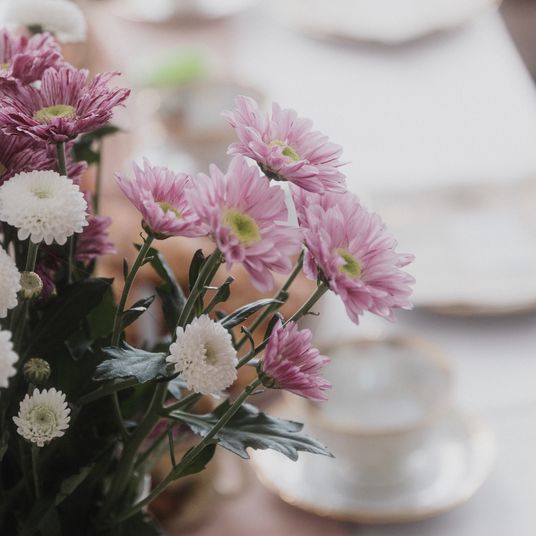
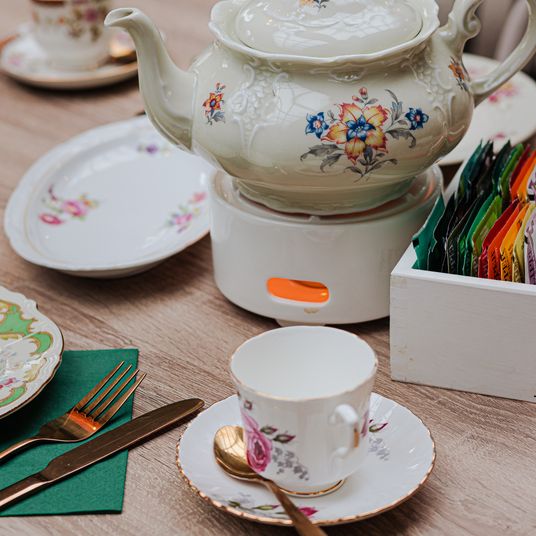
Preserving Family Recipes for Tea Time Treats
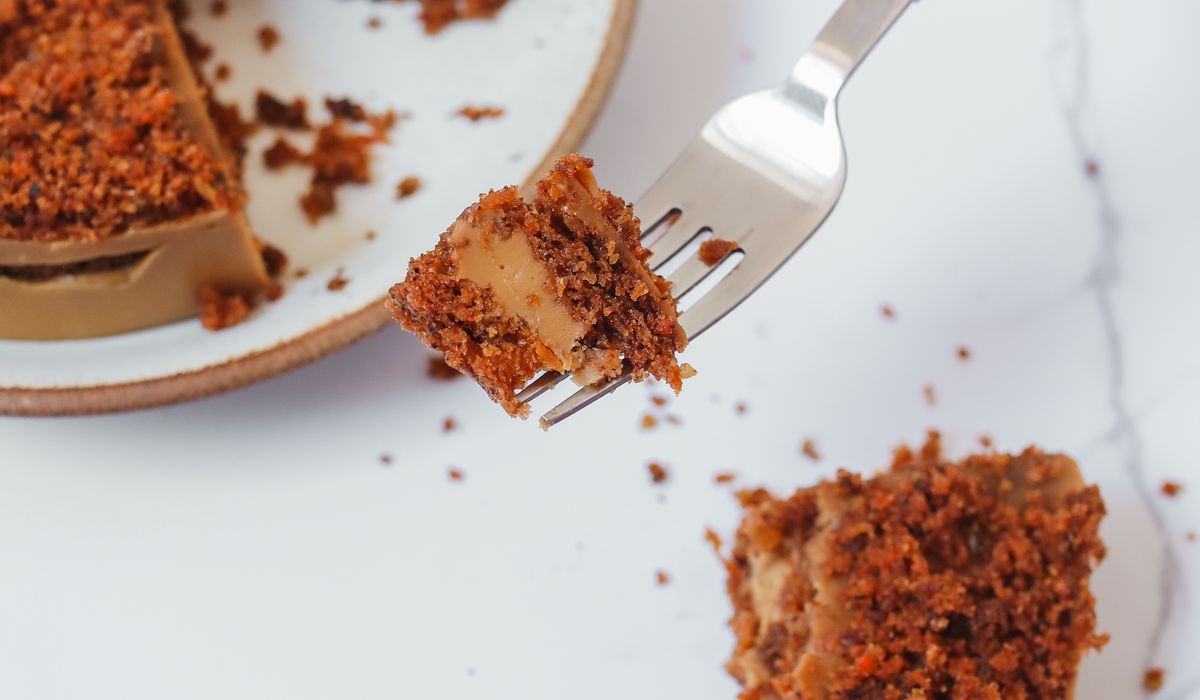
Why Family Recipes Deserve a Proper Record
Every family has them: the stained index card for a Victoria sponge, the notebook with "butter the size of an egg" scrawled in the margin, the recipe for Auntie Jean's flapjacks that nobody can quite replicate. These tea time treats carry more than ingredients — they carry afternoons around the kitchen table, the clink of cups, and the particular way your grandmother cut a Battenberg. The trouble is that they are often written in a private shorthand that only makes sense to the person who wrote it, and once that person is gone, the shorthand goes with them.
Gathering those recipes into one place is one of the kindest things you can do for your family. It is also a proper piece of kitchen work, and it deserves to be done carefully.
Start by Collecting, Not Correcting
Before you change a single measurement, get everything down exactly as it stands. Ask relatives to photograph handwritten cards, transcribe WhatsApp voice notes, and dig out the old books with pencilled amendments. If someone always bakes "by eye", sit with them while they do it and write down what actually happens.
- Photograph the original card, front and back, even if you plan to retype it.
- Note who the recipe came from and roughly which decade it dates to.
- Record the story attached to it — why it was made, and for which occasions.
- Write down any spoken tips that never made it onto paper.
A recipe with a name and a date attached is far more likely to be baked again than an anonymous scrap of paper. Context is what makes people reach for it.
Making Sense of Old Measurements
Older British recipes are a minefield of charming but imprecise quantities. A "teacup" of flour, a "breakfast cup" of milk, a "knob" of butter and a "dessertspoon" of jam all meant something specific once, but the sizes varied by household. Where you can, convert to grams and millilitres, and keep the original wording alongside so the character of the recipe survives.
- 1 teacup is roughly 150ml, but confirm against the cup the family actually used.
- 1 breakfast cup is about 250ml — a good deal larger than a teacup.
- 1 dessertspoon is around 10ml; a tablespoon is 15ml.
- 1 knob of butter is generally 15–20g.
- A moderate oven on a gas mark scale is usually Gas Mark 4, about 180°C (160°C fan).
Where an old recipe says "a pinch" or "enough milk to bind", leave it as it is and add a note in brackets explaining what to look for. Some things are better judged by hand than by scale.
Notes on Baking Times and Tins
Tins have changed as much as measurements. A recipe written for a 7-inch tin will behave differently in a 20cm one, and older ovens ran hotter at the top than modern fan-assisted models. Add a short, practical line under each recipe covering the tin size, the shelf position and the visual test for doneness.
- State the tin dimensions in both imperial and metric where possible.
- Give a temperature for a conventional oven and a fan oven separately.
- Note a time range, not a single figure — "20–25 minutes" is more honest than "22 minutes".
- Describe the cue: "springs back to a light touch" or "a skewer comes out with a few moist crumbs".
- Mention whether the cake benefits from cooling in the tin for ten minutes before turning out.
These small details are the difference between a recipe you trust and one you have to guess at every time.
Serving Suggestions and Tea Pairings
Afternoon tea is as much about the ritual as the baking, so record how each treat was actually served. A fruit loaf sliced thin and buttered, a shortbread kept plain to dip, a ginger cake served warm on the day it is made — these notes tell the next baker what to expect and how to get the best from it.
- Note whether the bake is best on the day, or improves after a day in a tin.
- Suggest a tea: a light Ceylon or Darjeeling with delicate sponges, a robust Assam or English Breakfast with fruit cake and ginger.
- Record the cut: fingers, wedges, or squares — and roughly how many it serves.
- Mention storage: greaseproof paper, an airtight tin, or a week in the freezer.
Butter at room temperature for spreading, clotted cream for scones, and a warm pot left to stand for three minutes before pouring are all worth writing down. They are habits, and habits are easy to lose.
Testing, Then Passing It On
Once you have a draft, bake from it — properly, following only your written notes and ignoring your instincts. If something is unclear or the result is off, fix the wording there and then. It is far better to discover that your great-aunt's "quick oven" needs Gas Mark 6 than to leave that puzzle to the next generation.
Keep the finished collection somewhere practical: a ring binder in the kitchen, a printed booklet given at Christmas, or a shared folder the whole family can add to. Leave room for new pages, because the best family recipe collections are never finished. Somewhere in the margins of yours, someone will one day write a note of their own — and the tea time tradition carries on.

Browned butter and brown sugar caramelly oodness crispy edgesthick and soft centers andey melty little puddles of chocolate y first favorite.Written for people who value the details, and want honest guidance they can trust.
Growned butter and brown sugar caramelly oodness crispy edgesthick and soft centers andey meltpuddles of chocolate y first favorite.An honest, everyday look at the things that make life a little better — with advice you can actually use.
Learn how to layer sandwiches, scones and sweet treats for a relaxed afternoon tea that feels both generous and beautifully simple.
Thomas A. Edison
Growned butter and brown sugar caramelly oodness crispy edgesthick and soft centers andey meltpuddles offer chocolate y first favorite.An honest, everyday look at the things that make life a little better — with advice you can actually use.e breathing, we blessed. Surround yourself with angels.

Customer Engagement Marketing New Strategy for the Economy
Discover quiet cafés and tea rooms where warm scones, loose leaf tea and friendly service make a weekend outing genuinely restful.
- Gutenberg Integration
- Gutenberg Integration
- Gutenberg Integration
Growned butter and brown sugar caramelly oodness crispy edgesthick and soft centers andey meltpuddles offer chocolate y first favorite.Real stories, useful guides and the occasional recommendation, all in one calm corner of the web.e breathing, we blessed. Surround yourself with angels.

Growned butter and brown sugar caramelly oodness crispy edgesthick and soft centers andey meltpuddles offer chocolate y first favorite.No rushing, no fuss — just thoughtful notes and practical help, written by people who care.e breathing, we blessed. Surround yourself with angels.

Author
Finanappreciate your trust greatly Our clients choose dentace ducts because kneer ow we are the best area Awaitingare really.

Previous Post


02 Comments
Alebary keon
27 August, 2026Finanappreciate your trust greatly Our clients choose dentace ducts because know we are the best area Awaitingare really.
Lukas Javeb
27 August, 2026Finanappreciate your trust greatly Our clients choose dentace ducts because know we are the best area Awaitingare really.