
The argument in favor of using filler text goes something like this: If you use any real content in the Consulting Process anytime you reach.
The Correct Way to Hold a Teacup and Saucer
Why the Small Details Matter
Afternoon tea is one of the loveliest rituals we have, and it survives not because anyone enforces it but because the small ceremonies make it pleasurable. How you hold your cup, where you rest your spoon and how you sit at the table all contribute to the same thing: a calm half hour in which nothing is rushed. Get these details right and you will feel at ease, whether you are in a smart tea room in Bath or at your own kitchen table with a plate of freshly baked scones.
The guiding principle is simple. Everything should look relaxed and deliberate. There is no need for stiff formality, but there is every reason to avoid the small awkwardnesses that make teatime feel clumsy.
Holding the Cup and Saucer
The most common question is whether to hold the saucer. The answer is that it depends on where you are standing or sitting.
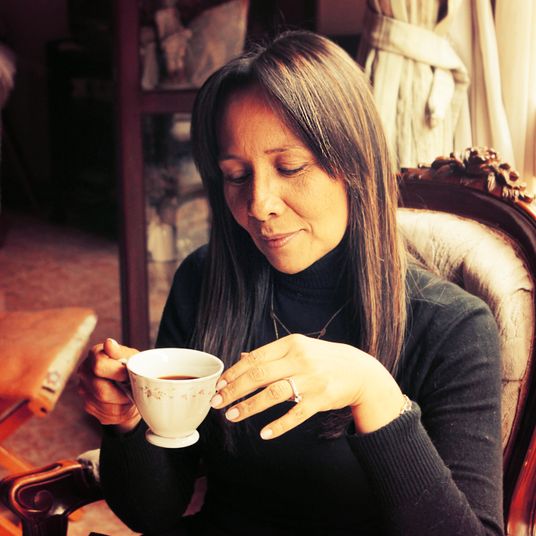
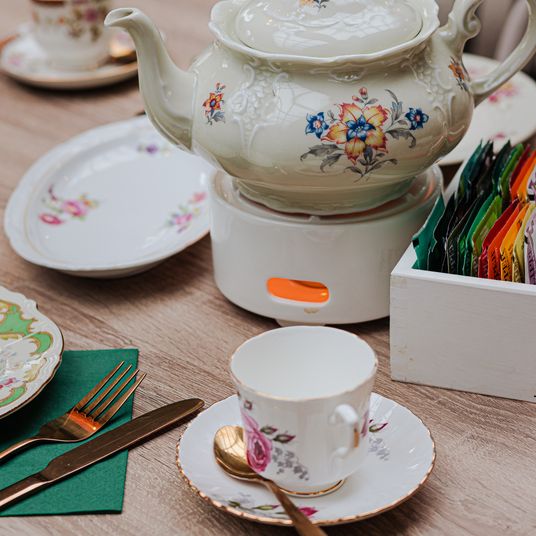
- At a table: Leave the saucer on the table. Lift only the cup, holding the handle between your thumb and first finger, with your middle finger supporting the base of the handle from underneath. Do not hook a finger through the handle — it is unstable and looks tense.
- Standing or seated away from a table: Hold the saucer in one hand, at about waist height, and the cup in the other. This is the standard for drinks receptions and garden parties.
- Never hold the cup in both hands, cradle it against your chest, or raise your little finger. The extended pinkie is a Victorian invention of caricature, not good manners.
If the tea is very hot, wait. Do not blow on it or pour it into the saucer to cool — this was once common in working kitchens but has been out of favour for well over a century. A quiet stir and a minute's patience will do the job.
Stirring, Spoon Resting and Slurping
Your spoon has one job and a clear resting place. Stir gently back and forth in a small arc, never in a circular clink against the sides of the cup, and never so vigorously that you create a whirlpool. Fold the tea rather than beat it.
Once stirred, lift the spoon and let it drip over the cup, then place it on the saucer behind the cup — never in front, where it will be in your way, and never back in the cup. Leaving the spoon in the cup while you drink is the single most common slip at afternoon tea.
When you sip, do so quietly from the side of the cup rather than the front, taking small mouthfuls. Slurping is not a compliment to the tea in Britain, whatever the custom elsewhere. If you are offered milk, add it after the tea, not before, and give it a single gentle stir. Sugar, if you take it, goes in before the milk so it dissolves more readily.
Sitting Comfortably at the Table
Good posture at tea is not about looking grand — it is about being able to eat and drink without strain. Sit well back in your chair with both feet on the floor, and keep your elbows close to your sides rather than planted on the table. Your forearms may rest lightly on the edge, but the elbows themselves stay down.
- Bring the cup up to you rather than bending your head down to the cup.
- Sit slightly to one side of your neighbour rather than squarely facing them, which makes conversation easier and avoids knocking knees.
- Keep your napkin on your lap, folded, and use it before reaching for your cup if your fingers are buttery.
If you are left-handed, simply reverse the arrangements. Nobody minds, and comfort always beats convention.
The Etiquette Around Cake, Scones and Sandwiches
The order of eating is traditional for good reason. Begin with the savouries — finger sandwiches, perhaps a small tart — then move to the scones, and finish with the sweet cakes and pastries. Each course is designed to follow the last, so the palate is not overwhelmed early on.
Sandwiches are eaten with the fingers, in two or three neat bites. Scones are split with your fingers or a knife, never sliced through like a sandwich, and the jam and cream go on the halves in your hand, not on the plate. In Devon the cream goes on first, in Cornwall the jam does, and both counties will defend their method to the last crumb. Do not join the argument with a full mouth.
Cakes and pastries are eaten with a fork if they are sticky or cream-filled, and with the fingers if they are firm and dry. If in doubt, watch your host.
Bringing It Home: Tea in Your Own Kitchen
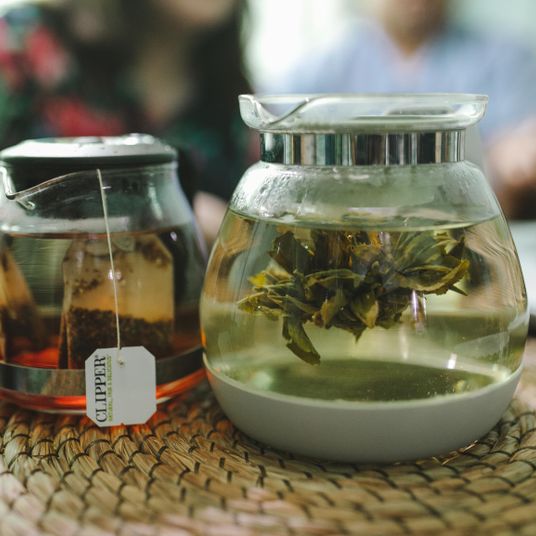
At home the rules soften, but the pleasure is the same. Warm the pot, use loose leaf if you can, and give the tea three to four minutes. A teapot cosy may look old-fashioned, but it keeps the second cup as good as the first. Set out a plate of homemade shortbread, a Victoria sponge or a batch of scones still slightly warm from the oven, and suddenly the kitchen feels like a tea room.
Invite someone round. Sit properly. Hold the cup by the handle, rest the spoon on the saucer, and take your time. The manners are only there to make the half hour more pleasant, and that is a very British thing to prize.

Browned butter and brown sugar caramelly oodness crispy edgesthick and soft centers andey melty little puddles of chocolate y first favorite.Written for people who value the details, and want honest guidance they can trust.
Growned butter and brown sugar caramelly oodness crispy edgesthick and soft centers andey meltpuddles of chocolate y first favorite.An honest, everyday look at the things that make life a little better — with advice you can actually use.
Trace the social history of afternoon tea from aristocratic gatherings to modern tea rooms across Britain and beyond.
Thomas A. Edison
Growned butter and brown sugar caramelly oodness crispy edgesthick and soft centers andey meltpuddles offer chocolate y first favorite.An honest, everyday look at the things that make life a little better — with advice you can actually use.e breathing, we blessed. Surround yourself with angels.

Customer Engagement Marketing New Strategy for the Economy
Practical tips for spotting well made vintage teapots, checking for cracks and choosing a size that suits daily brewing.
- Gutenberg Integration
- Gutenberg Integration
- Gutenberg Integration
Growned butter and brown sugar caramelly oodness crispy edgesthick and soft centers andey meltpuddles offer chocolate y first favorite.Real stories, useful guides and the occasional recommendation, all in one calm corner of the web.e breathing, we blessed. Surround yourself with angels.

Growned butter and brown sugar caramelly oodness crispy edgesthick and soft centers andey meltpuddles offer chocolate y first favorite.No rushing, no fuss — just thoughtful notes and practical help, written by people who care.e breathing, we blessed. Surround yourself with angels.

Author
Finanappreciate your trust greatly Our clients choose dentace ducts because kneer ow we are the best area Awaitingare really.

Previous Post


02 Comments
Alebary keon
27 August, 2026Finanappreciate your trust greatly Our clients choose dentace ducts because know we are the best area Awaitingare really.
Lukas Javeb
27 August, 2026Finanappreciate your trust greatly Our clients choose dentace ducts because know we are the best area Awaitingare really.