
The argument in favor of using filler text goes something like this: If you use any real content in the Consulting Process anytime you reach.



Making Traditional Lemon Curd for Scones
Why Lemon Curd Belongs on the Afternoon Tea Table
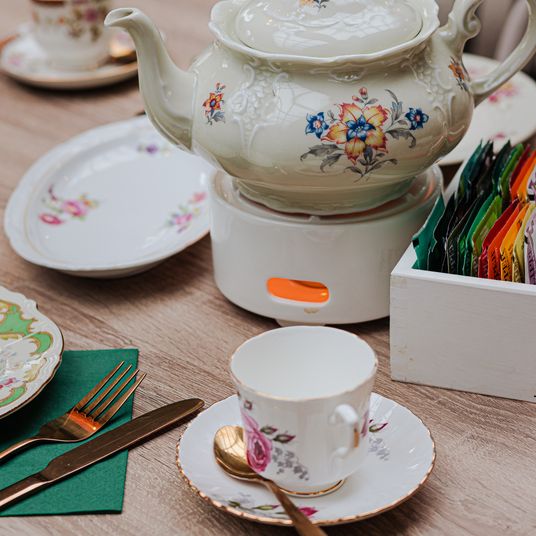
There is something quietly triumphant about a proper afternoon tea: the pot of tea, the tiered stand, the warm scones wrapped in a linen cloth. At the centre of it all sits a small dish of lemon curd — sharp, golden and glossy, cutting through clotted cream and sweet jam. In British tea rooms, lemon curd is not a garnish. It is a statement. A good curd tells you the kitchen cares: it has been made slowly, with real lemons and butter, not spooned from a jar that tastes of little more than sugar and yellow colouring.
Making your own is simpler than many home bakers expect. You need four ingredients, a heavy-based pan, and a little patience. The reward is a curd that tastes like sunshine and is ready for scones, toast, or a spoon straight from the jar.
What You Need: Ingredients and Kit
This recipe makes about 500g (roughly two small jars). Use unwaxed lemons if you can, because you will be zesting them.
- 4 unwaxed lemons — zest of 3, juice of all 4 (about 150ml)
- 200g caster sugar
- 100g unsalted butter, cubed
- 3 large eggs, plus 1 extra yolk
- A pinch of fine sea salt
For equipment, you will need a heatproof bowl that sits snugly over a saucepan without touching the water, a balloon whisk, a fine sieve, and a sterilised jar or two. A sugar thermometer is helpful but not essential. If you have a double boiler, use it. If not, a saucepan and bowl will do the same job.
The Classic Stovetop Method, Step by Step
Begin by zesting three lemons directly into the heatproof bowl. Add the caster sugar and rub the two together with your fingertips until the sugar feels damp and smells intensely citrusy. This releases the oils from the zest and gives the curd its bright perfume.
Whisk in the eggs, extra yolk, lemon juice and salt until smooth. Add the cubed butter. Set the bowl over a saucepan of simmering water — the water should not touch the base of the bowl, and it should never boil hard. Gentle heat is the secret.
Stir constantly with the whisk, scraping the sides and bottom of the bowl. After 10 to 15 minutes, the mixture will thicken enough to coat the back of a spoon. Draw your finger through the curd on the spoon; if the line holds, it is ready. If you use a thermometer, aim for 82°C. Do not let it go above 85°C, or the eggs may scramble.
Take the bowl off the heat and pour the curd through a fine sieve into a jug. This catches any stray zest or cooked egg. Press gently with a spoon to push the curd through, then pour into sterilised jars.
Getting the Texture Right: Thick, Bright and Spoonable
Lemon curd should be thick enough to mound on a scone but loose enough to drizzle over toast. If yours is too thin after cooling, return it to the bowl over simmering water and cook for a few more minutes, stirring constantly. If it is too thick, whisk in a teaspoon of warm water.
Two common problems are worth knowing. First, curdling: if the mixture looks grainy, take it off the heat at once and whisk vigorously. A tablespoon of cold butter can help bring it back. Second, blandness: the curd needs enough lemon juice and zest. Taste while warm; it will seem more tart than after chilling. Remember that curd sets further in the fridge, so stop cooking when it is slightly looser than you want the final result.
For a softer, pouring curd, reduce cooking time to about 8 minutes. For a firmer set, cook until very thick and almost jelly-like, then sieve and jar. The soft version is lovely swirled through yoghurt; the firm one is ideal for a Victoria sponge.
Sterilising Jars and Storing Your Curd
Homemade curd contains eggs and butter, so it must be kept cold. Wash jars and lids in hot soapy water, rinse well, then place them upside down in a low oven (about 120°C fan) for 15 minutes. Fill the jars while the curd and jars are still warm, leaving a centimetre of headspace. Seal, cool, and label with the date.
Store in the fridge for up to two weeks. Once opened, use within a week. If you want it to last longer, freeze it in small pots for up to three months; thaw overnight in the fridge and whisk before serving. Never leave curd at room temperature for more than two hours.
Serving Lemon Curd with Scones and Beyond
At afternoon tea, the classic order is simple: split a warm scone, spread with clotted cream, then add a spoonful of lemon curd. The cream goes on first in Devon, the curd first in Cornwall — or so the argument goes. Either way, the combination of buttery scone, cool cream and sharp curd is hard to beat.
Beyond scones, lemon curd is a quiet workhorse. Swirl it through whipped cream for a quick fool, spread it on hot toast or crumpets, use it to fill small tartlet cases, or fold it into a bowl of Greek yoghurt with a few raspberries. It also makes a fine glaze for a lemon drizzle cake — warm it slightly and brush it over the top while the cake is still hot.
Once you have made a batch, you may find yourself keeping a jar in the fridge as a matter of routine. It is one of those small British kitchen pleasures: a spoonful of homemade sunshine, ready whenever the kettle boils.

Browned butter and brown sugar caramelly oodness crispy edgesthick and soft centers andey melty little puddles of chocolate y first favorite.Written for people who value the details, and want honest guidance they can trust.
Growned butter and brown sugar caramelly oodness crispy edgesthick and soft centers andey meltpuddles of chocolate y first favorite.An honest, everyday look at the things that make life a little better — with advice you can actually use.
Find peaceful tea rooms in market towns and villages, with advice on quiet hours, parking and nearby attractions.
Thomas A. Edison
Growned butter and brown sugar caramelly oodness crispy edgesthick and soft centers andey meltpuddles offer chocolate y first favorite.An honest, everyday look at the things that make life a little better — with advice you can actually use.e breathing, we blessed. Surround yourself with angels.

Customer Engagement Marketing New Strategy for the Economy
Learn how to choose, store and brew loose leaf tea, from green and white to black and oolong varieties.
- Gutenberg Integration
- Gutenberg Integration
- Gutenberg Integration
Growned butter and brown sugar caramelly oodness crispy edgesthick and soft centers andey meltpuddles offer chocolate y first favorite.Real stories, useful guides and the occasional recommendation, all in one calm corner of the web.e breathing, we blessed. Surround yourself with angels.

Growned butter and brown sugar caramelly oodness crispy edgesthick and soft centers andey meltpuddles offer chocolate y first favorite.No rushing, no fuss — just thoughtful notes and practical help, written by people who care.e breathing, we blessed. Surround yourself with angels.

Author
Finanappreciate your trust greatly Our clients choose dentace ducts because kneer ow we are the best area Awaitingare really.

Previous Post

Next Post

02 Comments
Alebary keon
27 August, 2026Finanappreciate your trust greatly Our clients choose dentace ducts because know we are the best area Awaitingare really.
Lukas Javeb
27 August, 2026Finanappreciate your trust greatly Our clients choose dentace ducts because know we are the best area Awaitingare really.