
The argument in favor of using filler text goes something like this: If you use any real content in the Consulting Process anytime you reach.


Creating a Seasonal Afternoon Tea Menu

Start With the Season, Not the Recipe
There is a temptation, when planning afternoon tea, to reach for the same well-thumbed list every time: cucumber sandwiches, a fruit scone, a slice of Battenberg. It works, of course. But the teas people remember are the ones that taste of a particular week in a particular year — the first forced rhubarb in February, a punnet of strawberries bought that morning, the apples falling in a neighbour's garden.
So begin with the calendar rather than the cookbook. Structure the tea in its traditional three tiers — savouries, scones, sweet things — and let one or two seasonal ingredients thread through all of them. A useful test: if a single hero ingredient appears in at least two tiers, the menu feels deliberate rather than assembled.
Spring: Radishes, Herbs and the First Green Things
Spring produce is sharp, peppery and pale. This is the moment for radishes, watercress, chives, young spinach and the first of the outdoor rhubarb. Keep the savouries crisp and light.
- Thinly sliced radishes with salted butter and chives on buttered brown bread, cut into fingers
- Watercress and chopped egg on white, with a little mustard mayonnaise
- Mini cheese and spring onion tartlets, warm from the oven
For scones, fold in chopped chives and grated mature Cheddar, or keep them plain and serve with a rhubarb and ginger jam. Sweets should be delicate: a rhubarb fool in small glasses, a lemon and elderflower drizzle cut into slim fingers, tiny meringues sandwiched with whipped cream. If forced rhubarb is available, its shocking pink is worth showing off — poach it gently with orange zest and a little sugar, and stop the moment it slumps.
Summer: Berries at Their Peak
British berries in June and July need almost nothing doing to them. Buy them the day you bake, and resist the urge to hide them under cream or icing. Macerating strawberries or raspberries with a spoonful of sugar and a squeeze of lemon for twenty minutes makes a glossy, syrupy filling that holds a sandwich together beautifully.
Swap the usual fillings for raspberry and vanilla, or strawberry with a little cracked black pepper. Serve plain scones with strawberry jam made in small batches — roughly 1kg of fruit to 800g of sugar, cooked until a chilled saucer wrinkles — and offer both clotted cream and a lighter whipped alternative. Sweets should be cool and soft: Eton mess in little tumblers, redcurrant and almond tartlets, a Victoria sponge layered with raspberries and cream. Avoid chocolate and heavy spice altogether; they fight the fruit.
Autumn: Orchard Fruit and Warm Spice
As the berries fade, the orchard takes over. Apples, pears, damsons, quince and blackberries give afternoon tea a richer, warmer register. This is the season for cinnamon, nutmeg and a little dark sugar, used with restraint.
- Apple and cinnamon scones, served with a sharp Bramley chutney
- Cheese and apple savouries — a good Cheddar with slices of Cox on walnut bread
- Pear and frangipane tartlets, or a Comice pear poached in red wine
Sweet things come into their own: damson jam on a buttered scone, blackberry curd swirled through whipped cream, parkin or gingerbread cut into small squares. If you have time, make a quince cheese in October — it keeps for months and looks handsome sliced thin alongside a sharp cheese on the savoury tier.
The Constants: Scones, Cream and a Proper Pot of Tea
Whatever the season, a few things should not change. Scones want a hot oven — 220°C (200°C fan, gas 7) — a light hand, and a cutter pressed straight down without twisting. Roughly 350g self-raising flour, 1 tsp baking powder, 85g cold butter rubbed in, a pinch of salt and about 175ml milk gives you eight decent scones, ready in twelve minutes. Serve them within an hour of baking, wrapped in a tea towel to stay warm.
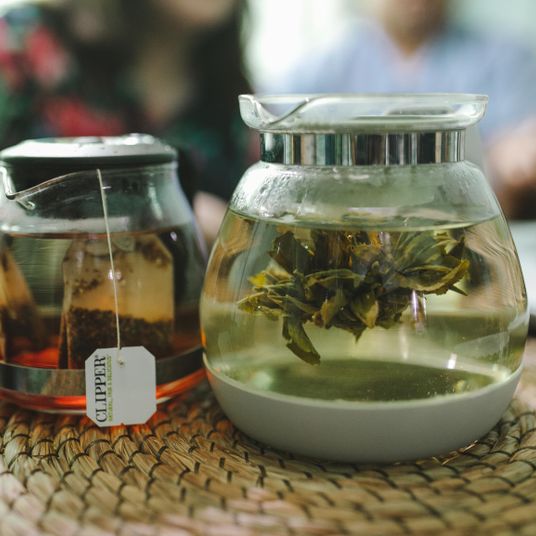
The tea itself deserves as much thought as the cake. A first flush Darjeeling suits spring; a second flush Assam or Ceylon suits the autumn. Brew loose leaf in a warmed pot, one teaspoon per person plus one for the pot, and pour through a strainer. Offer a caffeine-free option that isn't an afterthought — a good rooibos or a fresh mint infusion.
Planning, Quantities and Making Ahead
A relaxed afternoon tea depends on doing the right things early. Curds, jams and meringues keep for days; fillings and savouries are best made the morning of; scones are best made an hour before.
- Allow three to four pieces per person per tier — roughly a dozen items in total
- Butter bread right to the edges before filling, then chill for 30 minutes so it cuts cleanly
- Make one gluten-free and one dairy-free option rather than a separate menu, and label everything clearly
- Keep a plain scone and a plain sandwich in reserve for cautious eaters
Finally, write the menu down and keep it. Next spring you will want to remember which radish sandwich worked and which scone was too sweet — and by then, the season will have moved on again.

Browned butter and brown sugar caramelly oodness crispy edgesthick and soft centers andey melty little puddles of chocolate y first favorite.Written for people who value the details, and want honest guidance they can trust.
Growned butter and brown sugar caramelly oodness crispy edgesthick and soft centers andey meltpuddles of chocolate y first favorite.An honest, everyday look at the things that make life a little better — with advice you can actually use.
Understand the quiet rules of formal tea service, including seating order, napkin placement, gentle manners and polite conversation.
Thomas A. Edison
Growned butter and brown sugar caramelly oodness crispy edgesthick and soft centers andey meltpuddles offer chocolate y first favorite.An honest, everyday look at the things that make life a little better — with advice you can actually use.e breathing, we blessed. Surround yourself with angels.

Customer Engagement Marketing New Strategy for the Economy
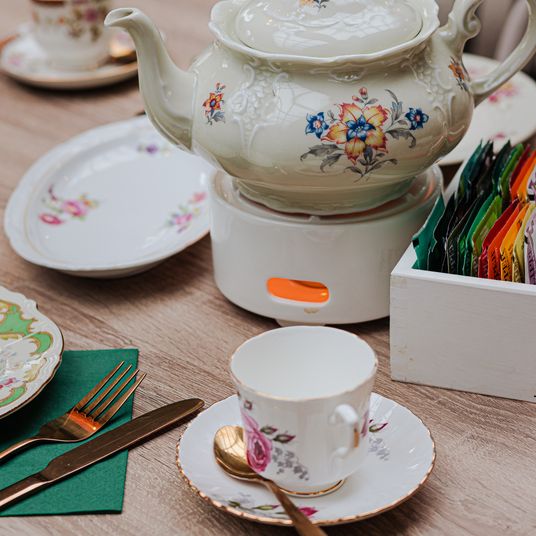
Keep cups, saucers and teapots in good condition with gentle washing, careful storage, regular checks and simple stain removal.
- Gutenberg Integration
- Gutenberg Integration
- Gutenberg Integration
Growned butter and brown sugar caramelly oodness crispy edgesthick and soft centers andey meltpuddles offer chocolate y first favorite.Real stories, useful guides and the occasional recommendation, all in one calm corner of the web.e breathing, we blessed. Surround yourself with angels.

Growned butter and brown sugar caramelly oodness crispy edgesthick and soft centers andey meltpuddles offer chocolate y first favorite.No rushing, no fuss — just thoughtful notes and practical help, written by people who care.e breathing, we blessed. Surround yourself with angels.

Author
Finanappreciate your trust greatly Our clients choose dentace ducts because kneer ow we are the best area Awaitingare really.

Previous Post

Next Post

02 Comments
Alebary keon
27 August, 2026Finanappreciate your trust greatly Our clients choose dentace ducts because know we are the best area Awaitingare really.
Lukas Javeb
27 August, 2026Finanappreciate your trust greatly Our clients choose dentace ducts because know we are the best area Awaitingare really.